

Dry eyes are a common affliction and can be caused by numerous medical and environmental factors. Dry eye syndrome is one common term for dry eyes that aren’t caused by another more serious health problem and so must be treated independently.
Treating dry eye syndrome is essential for the comfort, quality of life and eye health of those suffering with the condition. So, how do you treat dry eye syndrome and the symptoms of dry eyes? What happens if you don’t treat dry eyes?
What is dry eye syndrome?
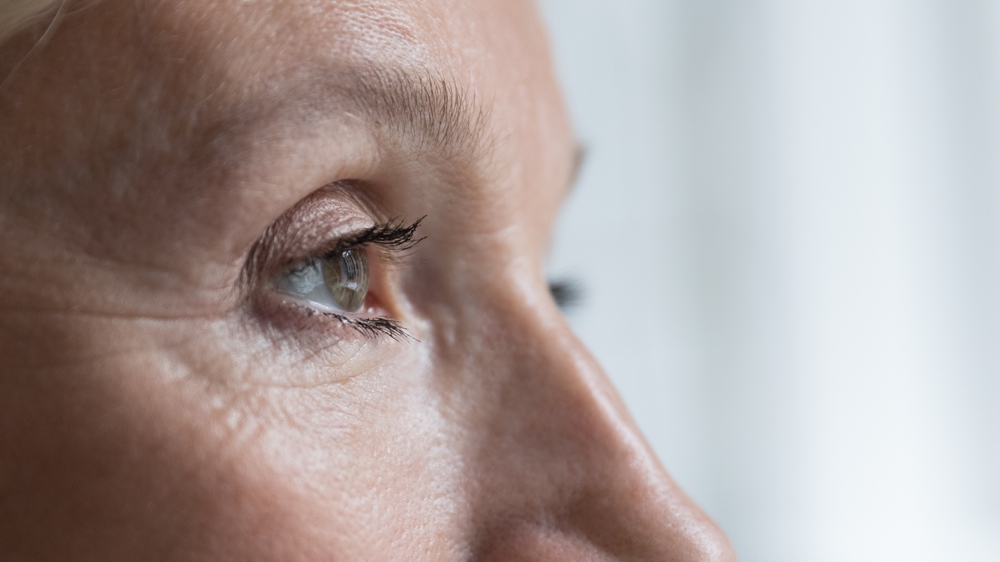
Dry eyes can have many causes, but the term dry eye syndrome is given to long-lasting dry eyes that are caused by hormonal changes, age or as a result of eye surgery or repeated contact lens use. Women are more likely to experience dry eye syndrome than men due to the significant hormonal changes that happen throughout their lives, while dry eye syndrome is also more common as we get older and our bodies stop producing sufficient tears.
Our eyes need to be kept moist to allow for comfortable blinking to clear our eyes of dust, debris and dirt, and for our tears to be drained in our tear ducts – part of the eye-cleaning process. If our bodies are not producing enough tears to keep our eyes moist, we can experience dry eyes, which can be uncomfortable or even painful. For some people, the cause of dry eyes is not a lack of tears, but the production of low-quality tears.
Tears are made up of water, proteins, fats, electrolytes and mucins to keep them moist and effectively clean them, so if one or more of these substances is missing from your tears, you may find your eyes watering a lot, or feeling dry and itchy despite still producing tears.
While these are the common causes of dry eye syndrome, there are other reasons why people can experience dry eyes, so it’s important not to self-diagnose and to seek help from an eye specialist to find the cause of your eye health problems.
Other causes of dry eyes

Sometimes people experience dry eyes temporarily, i.e. for a few hours or even for a few days, but then the symptoms subside as the body resumes tear production as normal. The most common reasons for temporary dry eyes are environmental and lifestyle factors, including:
- Being in an air-conditioned room.
- Being in a smoky room.
- Being on an aeroplane.
- While riding a bicycle.
- After looking at a screen at close range for a long time.
If your symptoms persist or your eyes begin to hurt, you can seek treatment for dry eyes at your pharmacy. However, if your symptoms last for more than a few days, there may be another cause for your dry eyes, such as dry eye syndrome or another medical condition.
Some medical conditions and medicines that cause dry eyes include:
- Rheumatoid arthritis.
- Thyroid disorders.
- Lupus.
- Vitamin A deficiency.
- Some medicines such as antihistamines, antidepressants and birth control.
- Hormone replacement therapy.
Each of these conditions and medicines has been proven to cause dry eyes, so you should talk to your healthcare provider about changing your medication if possible, or investigating a more serious cause of your dry eyes if you believe you have an undiagnosed illness.
Symptoms of dry eyes
Symptoms of dry eyes can vary significantly, despite many people expecting dry eyes to simply be the feeling of their eyes being dry.
Dry eye symptoms can include:
- A stinging, itching or burning sensation in your eyes.
- Stringy mucus in your eyes.
- Red or bloodshot eyes.
- Feeling like there’s something in your eyes and blinking frequently.
- Very watery eyes.
- Blurred vision.
- Tired eyes.
- Difficulty wearing contact lenses.
- Sensitivity to light.
- Difficulty with driving at night.
If you have any of these symptoms for more than a few days, it’s likely you have dry eye syndrome or another condition causing your eyes to dry long-term, rather than an environmental factor.
Treating the symptoms of dry eyes
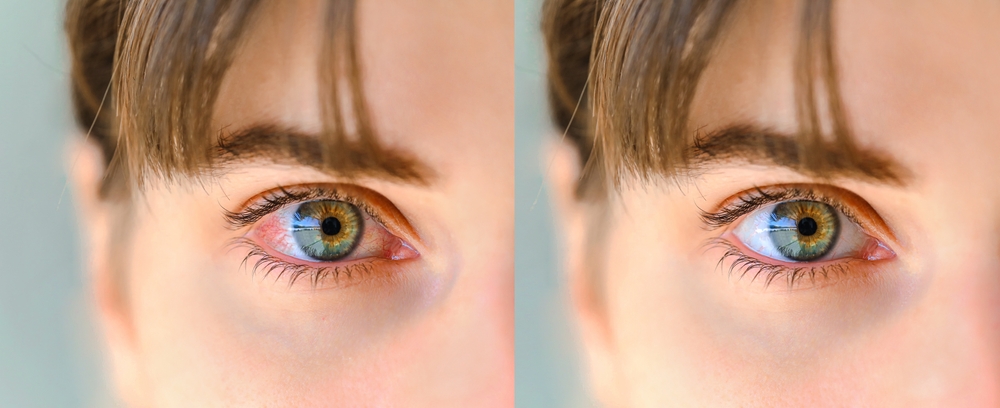
Dry eyes can be very uncomfortable and lower your quality of life, as well as cause more serious eye health problems if left untreated for a long time. So if you have dry eyes, you should seek treatment for them as soon as possible.
If your symptoms are mild, you can first try lifestyle changes to improve your symptoms and even cure your dry eyes. When working on a computer, it’s easy to get carried away with work and not take the time to have a break from your computer. Make sure to step away, or at least look away from your computer for 20 seconds every 20 minutes at something 20 feet away, known as the 20-20-20 rule.
Dehydration can also cause dry eyes, so make sure you’re drinking at least 1.5 litres of water every day, and if so, up your intake to 2 litres of water every day to see if it makes a difference to your symptoms.
Vitamin A deficiency is also another cause of dry eyes that can be easily treated with lifestyle changes. You should strive to eat a balanced diet, but if you’re suffering from symptoms of dry eyes, you can increase your intake of the following foods, which are high in vitamin A and beta-carotene:
- Milk products like fresh milk, cheese and yoghurt.
- Oily fish like mackerel, salmon and sardines.
- Eggs.
- Liver and liver products such as liver pâté.
- Spinach.
- Orange vegetables like carrots, sweet potatoes and bell peppers.
- Yellow, fruit-like apricots and mangoes.
If your symptoms don’t improve after making any of the above lifestyle changes, you should see an eye specialist for advice on how to treat your dry eyes with medication. Don’t try home remedies such as putting coconut oil or castor oil in your eyes, as these have not been proven to work and may cause further irritation of your eyes.
How to treat dry eye syndrome
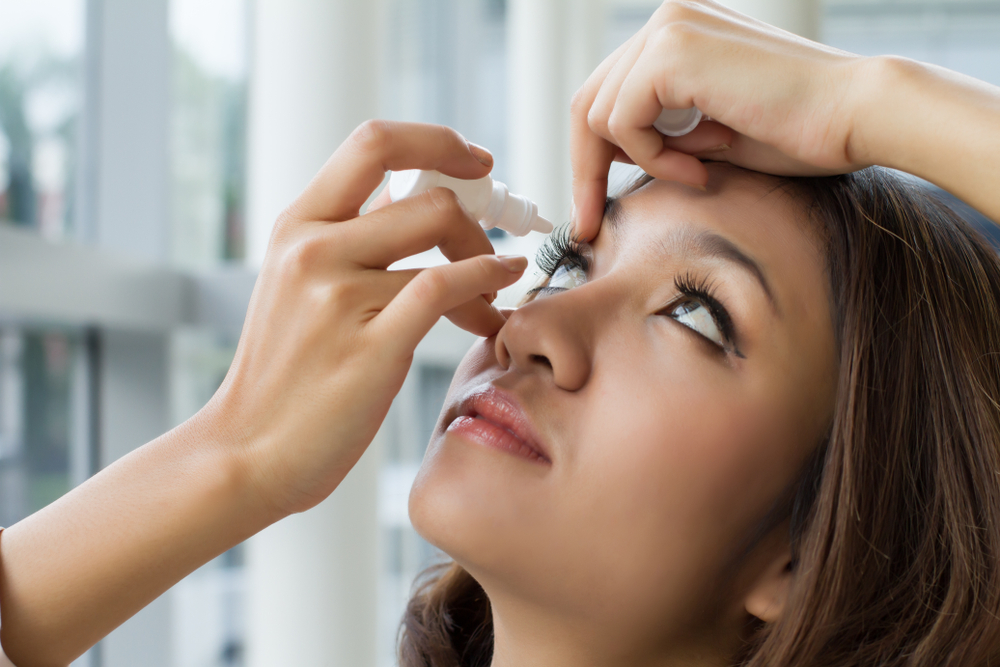
As dry eye syndrome can be caused by age, hormonal changes or eye damage, the symptoms of dry eyes won’t go away on their own and will need a more permanent treatment plan. In severe and long-lasting cases of dry eyes, there are surgeries available, including punctal plug insertion and Minor Salivary Gland Transplant – both of which have shown great results, but often still require eye drops. However, the most common and effective treatment for dry eye syndrome is the use of eye drops, sometimes called artificial tears.
An eye specialist can recommend a type of eye drop that will work best for you, depending on the cause of your dry eyes (lack of tear production, low-quality tear production or excessive tear evaporation or drainage), although you may have to try a few different eye drops to find one that works best for your eyes. Many eye drops are also available over the counter from pharmacies, so you don’t need a prescription from your GP to receive them.
If you have any allergies, make sure you read the label properly before using any eye drops to ensure you don’t cause further irritation to your eyes.
What happens if you don’t treat dry eyes?
When dry eyes are left untreated for a long time, they can get worse, causing the individual to suffer with more severe symptoms, but they can also cause other eye complications. When your eyes aren’t able to clean themselves effectively, you’re more at risk of developing eye infections like conjunctivitis and blepharitis, which can be painful. Continuous friction over your cornea from your dry eyelid can also cause harm to your eyes, not only causing pain, but also blurring and significantly affecting your vision.
Treating dry eyes is therefore essential for the overall health of your eyes and to allow you to live a comfortable and independent life.
Need to see someone about dry eyes? Visit the Eye and Dental Clinic
If you have prolonged symptoms of dry eyes, you should see an eye specialist like those at the Eye and Dental Clinic. Read more about conditions like chalazia on our latest news page, or contact us today to book your appointment.