Expert guide to the best UK online casinos with Microgaming slots in 2026, including top-ranked operators, bonus analysis, game RTPs, and regulatory advice. Compare top Microgaming casinos
Expert guide to the best UK online casinos with Microgaming slots in 2026, including top-ranked operators, bonus analysis, game RTPs, and regulatory advice. Compare top Microgaming casinos
Discover the top UK online casinos for NetEnt slots in 2026. Compare trusted operators, bonuses, RTPs, and fast payouts in our no-nonsense expert guide. read our guide to the best NetEnt casinos UK
A no-nonsense guide to the best UK online casinos offering NoLimit City slots in 2026. Compare top operators, bonuses, RTPs, and mobile experience. Play smarter, not harder. read the guide to the best online casinos with nolimit city slots uk 2026
An honest guide to the best UK online casinos offering Play'n GO slots in 2026. Compare licensed operators, bonus terms, payout speeds, and the full catalogue of games from Book of Dead to Agent of Hearts. see our list of top Play'n GO casinos
Find the top UK online casinos for Push Gaming slots in 2026. Compare bonuses, RTPs, and mobile features. Play popular titles like Jammin' Jars safely. explore the top Push Gaming casinos in the UK
A no-nonsense guide to the best UK online casinos offering Red Tiger slots in 2026. Compare real-money operators, bonuses, RTPs, and payout speeds before you spin. best Red Tiger casinos UK
Discover the top UK online casinos offering Thunderkick slots in 2026. Compare bonuses, games, and licensing in our expert guide. best Thunderkick casino sites UK
Find the best UK online casinos for Yggdrasil slots in 2026. Compare 10 licensed sites with welcome bonuses, fast payouts, and full game catalogues. Play Vikings Go Berzerk, Valley of the Gods, and more with zero fluff. read our complete Yggdrasil casino UK guide
Master the best online slots payout percentage in 2026 with our no-nonsense guide to RTP, volatility, and the casinos that actually offer high returns. Stop feeding the wrong machines. read the best online slots payout percentage guide for 2026
An honest, in‑depth guide to the best UK online casinos featuring Pariplay slots in 2026. Compare licensed sites, bonuses, payouts, and top games with expert analysis and practical tips. read the best Pariplay casinos UK guide for 2026



 11 Jan 2024
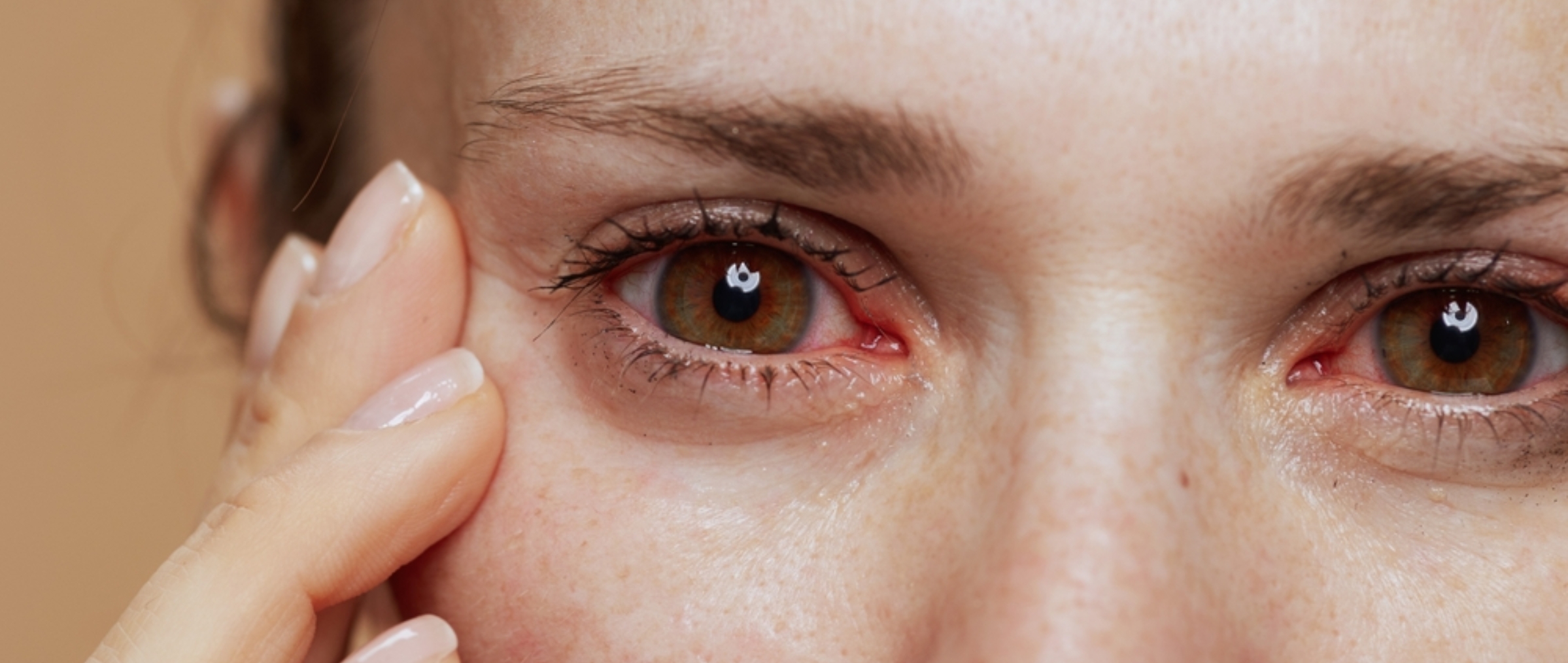
Dry eyes can affect people of all ages, sexes and lifestyles, so there’s not usually one cause. Sometimes dry eyes can be a momentary annoyance, while for some people it’s an ongoing affliction. However, for everyone, dry eyes can feel uncomfortable, and at times, very painful.
It’s important to try to find the cause of your dry eyes so that you can find a treatment that eases symptoms and possibly relieves you of dry eyes permanently. So let’s look at what causes dry eyes and how you can treat them.

There are many different potential causes of a person experiencing dry eyes, some causing temporary discomfort while others are more permanent.
You may feel your eyes becoming dry and itchy temporarily:
Usually, when you stop these activities or leave the area, your eyes will start to moisten and feel more comfortable. If you start to experience the itchy, burning or stinging sensation caused by dry eyes more often and without a likely cause, it may be caused by another factor, such as:
Each of the above issues causes your body to ineffectively lubricate your eyes, so your eyes begin to feel drier, and your eyelids may burn when you blink as the surface of your eyeball becomes inflamed due to the lack of sufficient fluid. This is caused by the tear film not working properly.
The tear film is made up of three layers – aqueous fluid, fatty oils and mucus – each of which plays a crucial role in moisturising our eyes. If any of these substances are not being produced sufficiently, it can cause dry eyes.
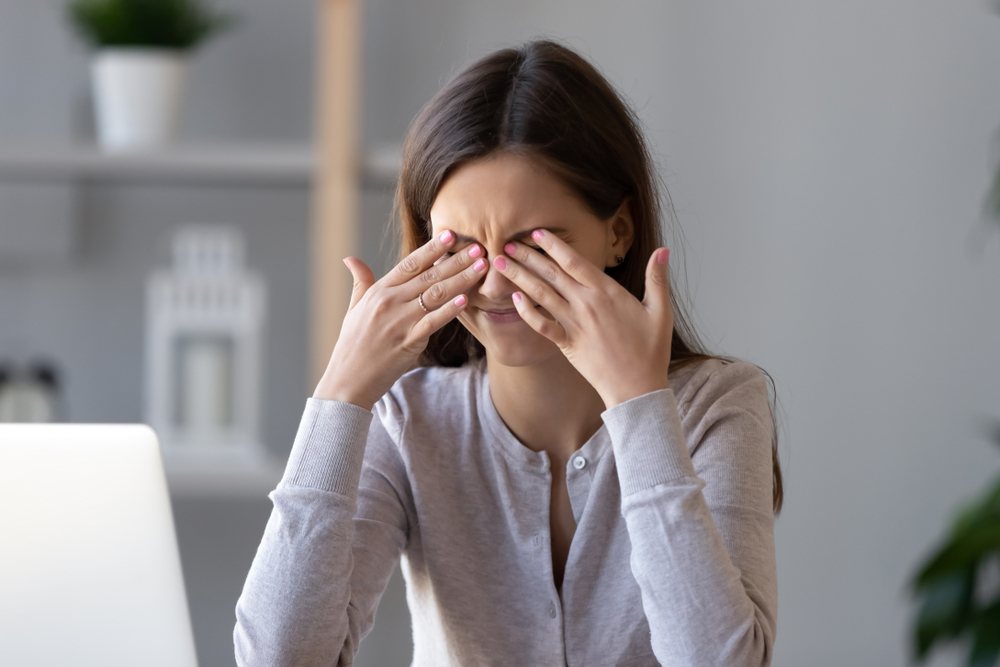
You’ll usually know when you have dry eyes because your eyes will start to feel like they’re burning or stinging, but there are other symptoms to be aware of that you may confuse with other eye problems, such as blepharitis or conjunctivitis.
Symptoms of dry eyes usually affect both eyes and include:
Dry eyes can go away on their own or after changing your environment or making simple lifestyle changes, but sometimes, dry eyes don’t seem to go away. If you’ve been experiencing symptoms of dry eyes for several days with no relief, you should see your GP or an eye specialist to check for another condition.
As dry eyes can be caused by hormonal changes and autoimmune conditions, there are many potential causes. Some causes include:
Although having dry eyes for a prolonged period doesn’t mean you have one of these conditions, you should see a doctor to establish the cause of your dry eyes in case you need to treat an illness, rather than simply the symptoms.

Some people are more likely to experience dry eyes than others, as many different factors, from age to diet, can affect hormonal changes and tear production.
After the age of 50, you’re more likely to experience dry eyes as your body stops producing sufficient tears to lubricate your eyes. People are also more likely to need laser eye surgery or wear contact lenses as they age and their vision fades, both of which can cause dry eyes, although usually temporarily.
Women are also more likely to experience dry eyes in their lives than men because they go through regular hormone fluctuations in their lives, from starting menstruation to taking birth control, going through pregnancy and then the menopause. If you have recently changed birth control or started taking a contraceptive, you should talk to your clinician if you’re experiencing symptoms of dry eyes, as there may be a better alternative for you.
Vitamin A deficiency is also a common cause of dry eyes that often goes unnoticed. Vitamin A is necessary for helping your body fight infection as well as maintaining good vision, so it’s essential to eat foods containing vitamin A to prevent dry eyes. Vitamin A can be found in eggs, liver, spinach and yellow fruits and vegetables such as bell peppers, papaya and apricots. If you’re pregnant, check with your clinician before changing your diet too much, as pregnant women are not recommended to eat liver.
As well as having many potential causes, dry eyes can lead to other eye health problems if left untreated. Eyes need to be damp to make blinking easier as well as rinse our eyes of dust and debris, helping to prevent infections. So if your eyes are dry, you have an increased risk of inflammation and discomfort from blinking, as well as developing eye infections.
With dry eyes, it’s not just your quality of life that will be affected; you should also get them treated as soon as possible for the sake of your eye health.
You should see your GP or eye specialist if you’re experiencing symptoms of dry eyes, as they may need to treat the underlying cause of your dry eyes, such as a thyroid disorder or vitamin A deficiency, rather than simply treating the symptoms.
If you don’t have another health condition causing dry eyes, it’s likely that your environment or lifestyle is affecting your eye health, so you should try the following steps to help keep your eyes moist.
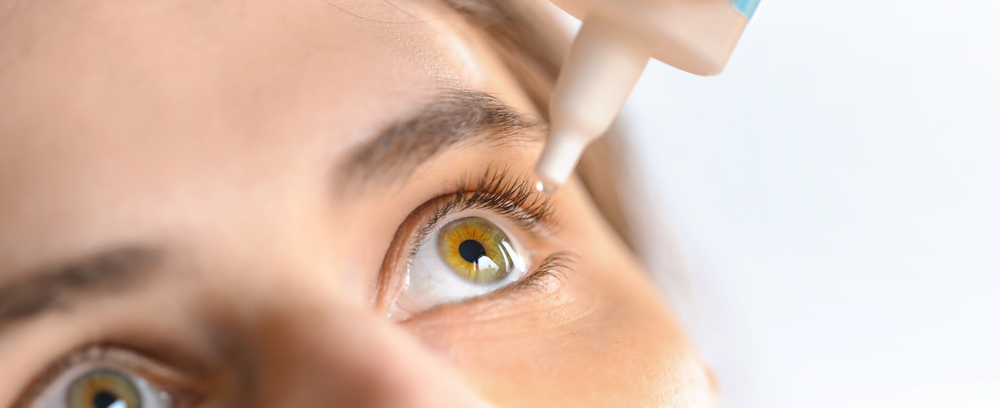
If these changes to your lifestyle don’t help relieve the symptoms of dry eyes, you can try eye drops, known as artificial tears.
Artificial tears are a type of eye drop to help relieve symptoms of dry eyes. They’re made by multiple brands and are available without a prescription from most pharmacies. Some brands may work better than others for different people, so you may have to try a few before you find one that works well for you. Different brands work in different ways, some lubricating the eyes, others preventing tear evaporation, so it’s best to see an eye specialist before trying artificial tears, so you know the cause of your dry eyes and thus how best to relieve symptoms.
Although tear drops like artificial tears treat the symptoms and not always the cause of dry eyes, they can still be greatly beneficial to use, as they moisturise your eyes, preventing inflammation as well as reducing the risk of developing eye infections as a result of having fewer tears.
You should be aware that some artificial tears contain preservatives, so check the ingredients before use if you have any allergies.
If you’re experiencing any eye health problems, from dry eyes to chalazion, come to the Eye and Dental Clinic! Based in Bury, Lancashire, we have an expert team of ophthalmologists and dentists ready to treat any and all of your eye and dental care needs.
From routine appointments to emergency treatment, you can rely on us for expert care! Still not sure? Check out our latest news or contact us today for more information.
Back to Blog

Discover how our advanced eye and dental treatments have helped patients see clearly, smile confidently, and live better with personalised care, comfort, and lasting results.
View More









Hemlata T
Had a deep clean today with Alla and Rachel, which was great, they were very gentle and even fixed a stubborn stain between my teeth, which they noticed during the...

Abs
Great service all around. Dr Uddin was knowledgeable, kind and put me at ease when having a chalazion removed. He helped me a lot with follow-up care for blepharitis, taking...
Amanda K
If I could give more than 5 stars for Mr J Uddin, I would. The reception staff were really polite and helpful. I had my chalazion removal surgery 2 months...
Nicole
Very satisfying. Dr J. Uddin removed a cyst on my upper lid. He explained everything to me before and during the procedure, and he has a very calming appearance. The...
Hemlata T
Had a deep clean today with Alla and Rachel, which was great, they were very gentle and even fixed a stubborn stain between my teeth, which they noticed during the...
Abs
Great service all around. Dr Uddin was knowledgeable, kind and put me at ease when having a chalazion removed. He helped me a lot with follow-up care for blepharitis, taking...
Amanda K
If I could give more than 5 stars for Mr J Uddin, I would. The reception staff were really polite and helpful. I had my chalazion removal surgery 2 months...
Nicole
Very satisfying. Dr J. Uddin removed a cyst on my upper lid. He explained everything to me before and during the procedure, and he has a very calming appearance. The...