Expert guide to the best UK online casinos with Microgaming slots in 2026, including top-ranked operators, bonus analysis, game RTPs, and regulatory advice. Compare top Microgaming casinos
Expert guide to the best UK online casinos with Microgaming slots in 2026, including top-ranked operators, bonus analysis, game RTPs, and regulatory advice. Compare top Microgaming casinos
Discover the top UK online casinos for NetEnt slots in 2026. Compare trusted operators, bonuses, RTPs, and fast payouts in our no-nonsense expert guide. read our guide to the best NetEnt casinos UK
A no-nonsense guide to the best UK online casinos offering NoLimit City slots in 2026. Compare top operators, bonuses, RTPs, and mobile experience. Play smarter, not harder. read the guide to the best online casinos with nolimit city slots uk 2026
An honest guide to the best UK online casinos offering Play'n GO slots in 2026. Compare licensed operators, bonus terms, payout speeds, and the full catalogue of games from Book of Dead to Agent of Hearts. see our list of top Play'n GO casinos
Find the top UK online casinos for Push Gaming slots in 2026. Compare bonuses, RTPs, and mobile features. Play popular titles like Jammin' Jars safely. explore the top Push Gaming casinos in the UK
A no-nonsense guide to the best UK online casinos offering Red Tiger slots in 2026. Compare real-money operators, bonuses, RTPs, and payout speeds before you spin. best Red Tiger casinos UK
Discover the top UK online casinos offering Thunderkick slots in 2026. Compare bonuses, games, and licensing in our expert guide. best Thunderkick casino sites UK
Find the best UK online casinos for Yggdrasil slots in 2026. Compare 10 licensed sites with welcome bonuses, fast payouts, and full game catalogues. Play Vikings Go Berzerk, Valley of the Gods, and more with zero fluff. read our complete Yggdrasil casino UK guide
Master the best online slots payout percentage in 2026 with our no-nonsense guide to RTP, volatility, and the casinos that actually offer high returns. Stop feeding the wrong machines. read the best online slots payout percentage guide for 2026
An honest, in‑depth guide to the best UK online casinos featuring Pariplay slots in 2026. Compare licensed sites, bonuses, payouts, and top games with expert analysis and practical tips. read the best Pariplay casinos UK guide for 2026



 17 Feb 2025
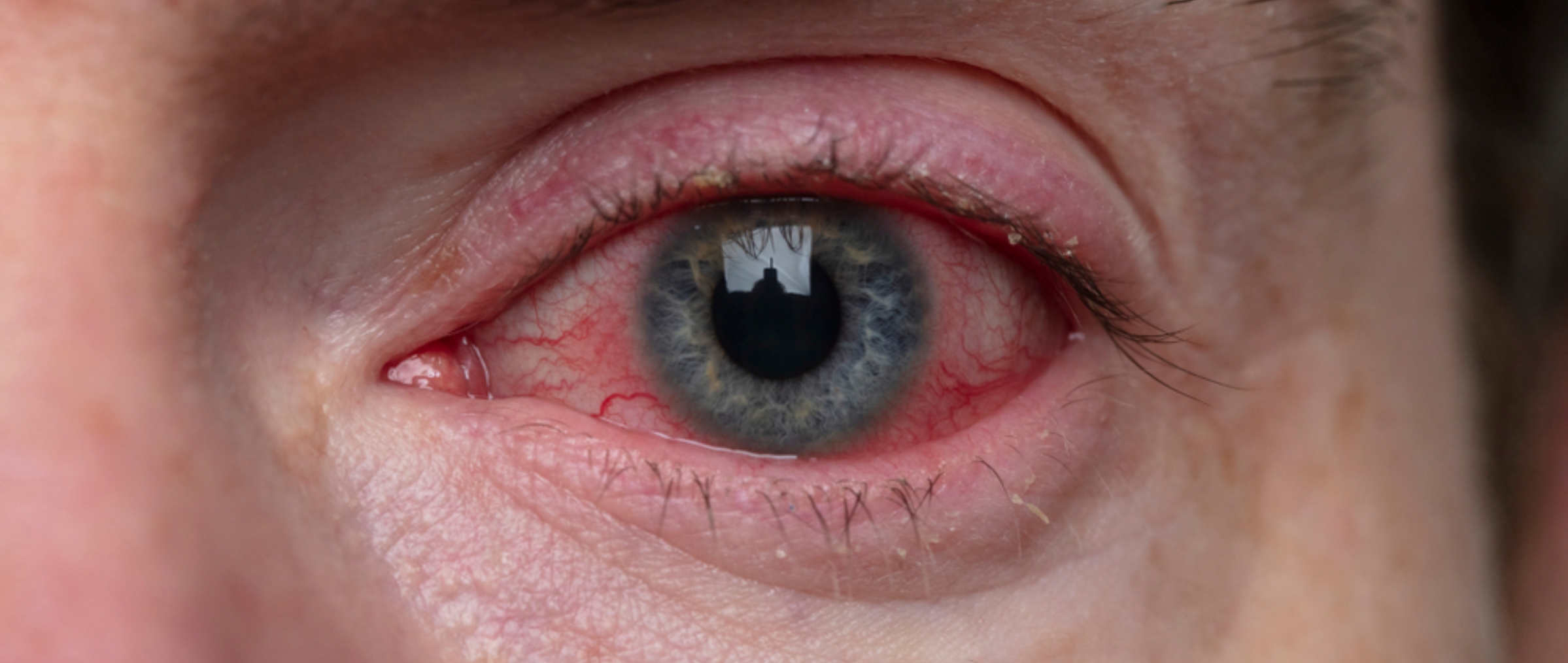
Pink eye is a common eye condition, but not all red, irritated eyes are caused by an infection. Many other conditions mimic its symptoms, leading to frequent misdiagnoses.
Conditions commonly misdiagnosed as pink eye include allergies, dry eye syndrome, styes, and blepharitis, which share symptoms like redness and irritation but require different treatments. Let’s look at how to tell them apart.
Pink eye, or conjunctivitis, is an inflammation of the conjunctiva, the thin, transparent membrane covering the white part of the eye and the inside of the eyelids. It gets its name from the reddish or pink discolouration that occurs when blood vessels in the conjunctiva become irritated or inflamed.
Symptoms typically include:
In bacterial or viral cases, there may also be a sticky or watery discharge that can cause the eyelids to stick together, particularly in the morning. Sensitivity to light and mild swelling around the eye can also occur.
Pink eye spreads easily through direct contact with infected eye secretions, contaminated surfaces, or respiratory droplets. Common causes include viral infections, bacterial infections, allergens like pollen, or irritants such as smoke and chemicals.
While viral conjunctivitis often resolves on its own, bacterial cases may require antibiotic eye drops. Allergic conjunctivitis, on the other hand, is not contagious and improves with antihistamines or avoiding triggers.
Good hygiene, such as frequent handwashing and avoiding eye rubbing, helps prevent transmission. Though uncomfortable, pink eye is rarely serious and usually clears up within one to two weeks, depending on the cause, but it can require eyedrops to treat it.
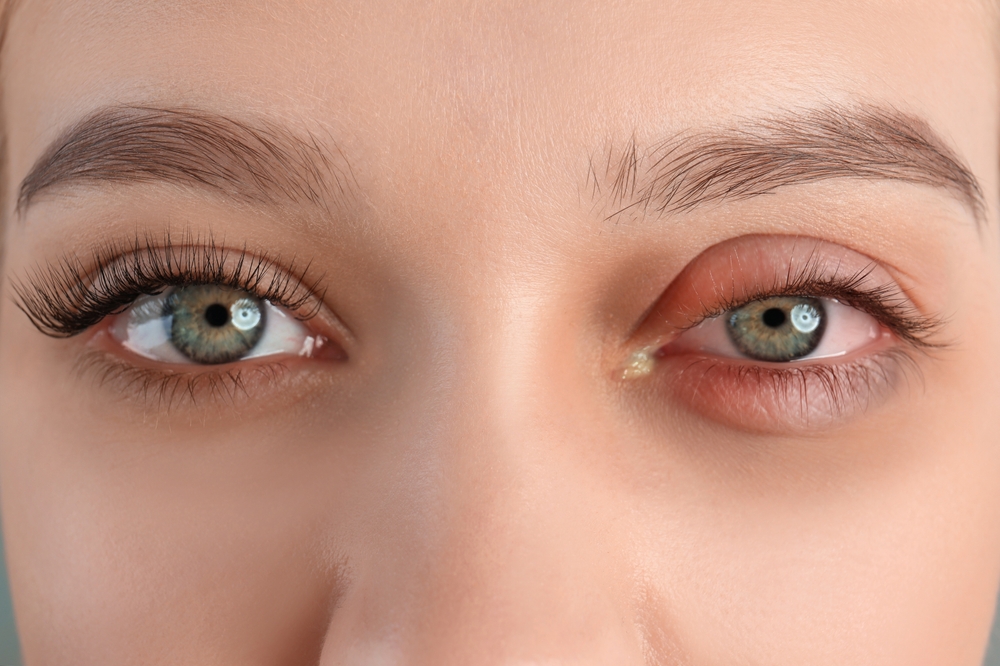
The main symptom of conjunctivitis is the pink colouration in the eyes, hence the nickname, but other eye conditions can cause the whites of the eyes to look pink and can then be mistaken for the condition.
Some such conditions commonly mistaken for pink eye include:
Allergic reactions can cause eye redness, itching, watering, and swelling, symptoms similar to conjunctivitis. However, allergic conjunctivitis often affects both eyes simultaneously and is accompanied by sneezing, nasal congestion, and an absence of discharge that crusts the eyelids shut. It occurs due to the immune system overreacting to allergens like pollen, dust, or pet dander.
Histamines released during the reaction lead to inflammation and irritation. Unlike infectious conjunctivitis, allergies are not contagious, and symptoms can be seasonal or chronic, depending on exposure. Antihistamine eye drops and avoiding allergens help manage the condition.
Dry eye syndrome causes redness, irritation, and a burning or gritty sensation, often mimicking conjunctivitis. Unlike an infection, it lacks significant discharge and is typically accompanied by fluctuating vision. It results from insufficient tear production or poor-quality tears, leading to inadequate eye lubrication.
Causes include ageing, prolonged screen use, certain medications, autoimmune conditions, or environmental factors like wind and air conditioning. While artificial tears and lifestyle changes help, untreated dry eyes can lead to inflammation and damage to the ocular surface. Since both conditions cause eye discomfort, dry eye syndrome is frequently mistaken for conjunctivitis.
Blepharitis is an inflammation of the eyelids that causes redness, itching, swelling, and flaky crusts along the lash line, making it resemble conjunctivitis. However, it mainly affects the eyelid margins rather than the conjunctiva. It occurs due to bacterial overgrowth, clogged oil glands, or skin conditions like dandruff or rosacea.
Unlike conjunctivitis, it is often chronic and recurrent, with symptoms worsening in the morning. Treatment focuses on warm compresses, eyelid hygiene, and, in some cases, antibiotic or anti-inflammatory medications. Since both conditions involve red, irritated eyes, they are easily confused, but blepharitis lacks the contagious nature of conjunctivitis.
A stye is a painful, red lump on the eyelid caused by an infected oil gland, often mistaken for conjunctivitis due to associated swelling, redness, and discomfort. However, unlike conjunctivitis, which affects the conjunctiva, a stye is localised to the eyelid and appears as a tender bump, sometimes filled with pus. It develops from bacterial infections, usually Staphylococcus, and may be triggered by poor eyelid hygiene, rubbing the eyes, or blocked glands.
Warm compresses help speed healing, while persistent or severe cases may require medical attention. Unlike conjunctivitis, a stye is not highly contagious and does not cause widespread eye redness.
Corneal ulcers are open sores on the cornea, causing redness, pain, light sensitivity, and blurred vision, often leading to misdiagnosis as conjunctivitis. Unlike conjunctivitis, corneal ulcers cause significant discomfort, excessive tearing, and sometimes a visible white or grey spot on the cornea. They result from infections, trauma, extended contact lens wear, or underlying conditions like dry eye syndrome.
Bacterial, viral, or fungal infections can all lead to ulcers, making prompt medical treatment essential to prevent vision loss. Since both conditions involve red, irritated eyes, misdiagnosis can delay proper care, increasing the risk of complications.
Distinguishing pink eye from other eye conditions requires careful observation of symptoms, their onset, and any associated factors. While redness is a common feature in many eye issues, differences in discharge, pain levels, and accompanying symptoms can help identify the true cause.
Pink eye, or conjunctivitis, causes redness, itching, tearing, and discharge. Viral conjunctivitis has a watery discharge, while bacterial conjunctivitis produces thick pus that can crust the eyelids. Allergic conjunctivitis leads to intense itching, clear tearing, and often coexists with nasal symptoms, affecting both eyes symmetrically.
Dry eye syndrome mimics conjunctivitis but lacks significant discharge, causing a gritty, burning sensation. Blepharitis inflames the eyelids, creating flaky crusts without major discharge. A stye appears as a tender, swollen lump on the eyelid, not the conjunctiva. Corneal ulcers cause extreme pain, light sensitivity, and sometimes a visible spot.
Conjunctivitis is highly contagious, unlike dry eyes, allergies, blepharitis, and styes.
It can be difficult to differentiate the symptoms of these conditions, so if you have severe pain, changes to your vision, or symptoms that can’t be relieved after a few days, it’s best to visit an eye specialist.

Pink eye, or conjunctivitis, often clears up on its own, but there are cases where medical attention is necessary. Viral conjunctivitis, the most common type, usually resolves within one to two weeks without treatment, though lubricating eye drops can help ease discomfort.
Bacterial conjunctivitis, on the other hand, may require antibiotic eye drops, which can sometimes be obtained over the counter at a pharmacy after consultation with a pharmacist. However, if symptoms worsen or persist beyond a week, seeing a GP or walk-in centre is advisable.
Allergic conjunctivitis does not require a doctor’s visit unless symptoms are severe or do not respond to antihistamine eye drops, which are available over the counter. Identifying and avoiding triggers is key to managing allergic reactions.
You should seek medical attention if your symptoms include:
These could indicate a more serious infection or an underlying condition like a corneal ulcer. A&E is necessary if there is a sudden decrease in vision, significant trauma, or a foreign object in the eye.
Specialist care from an ophthalmologist may be needed for persistent, recurrent, or atypical cases of conjunctivitis, particularly if associated with an underlying condition such as autoimmune disease or chronic dry eye. While many cases of pink eye can be self-managed, recognising when professional evaluation is needed helps prevent complications and ensures appropriate treatment.
The Eye and Dental Clinic is dedicated to providing accurate eye care with cutting-edge diagnostics and expert treatment. Our team of eye specialists ensures every patient receives a thorough assessment, guiding them through a smooth patient journey from consultation to recovery. We take pride in our success stories, sharing real patient pictures and testimonials that highlight the exceptional care we provide.
Whether you need routine eye care or specialised treatment, our clinic is here to help. For personalised support and expert advice, don’t hesitate to contact The Eye and Dental Clinic today to schedule your appointment.
Experiencing red or irritated eyes? Book an appointment with Eye and Dental Clinic today for an expert diagnosis and the right treatment for your eye health.
Back to Blog

Discover how our advanced eye and dental treatments have helped patients see clearly, smile confidently, and live better with personalised care, comfort, and lasting results.
View More












Hemlata T
Had a deep clean today with Alla and Rachel, which was great, they were very gentle and even fixed a stubborn stain between my teeth, which they noticed during the...

Abs
Great service all around. Dr Uddin was knowledgeable, kind and put me at ease when having a chalazion removed. He helped me a lot with follow-up care for blepharitis, taking...
Amanda K
If I could give more than 5 stars for Mr J Uddin, I would. The reception staff were really polite and helpful. I had my chalazion removal surgery 2 months...
Nicole
Very satisfying. Dr J. Uddin removed a cyst on my upper lid. He explained everything to me before and during the procedure, and he has a very calming appearance. The...
Hemlata T
Had a deep clean today with Alla and Rachel, which was great, they were very gentle and even fixed a stubborn stain between my teeth, which they noticed during the...
Abs
Great service all around. Dr Uddin was knowledgeable, kind and put me at ease when having a chalazion removed. He helped me a lot with follow-up care for blepharitis, taking...
Amanda K
If I could give more than 5 stars for Mr J Uddin, I would. The reception staff were really polite and helpful. I had my chalazion removal surgery 2 months...
Nicole
Very satisfying. Dr J. Uddin removed a cyst on my upper lid. He explained everything to me before and during the procedure, and he has a very calming appearance. The...