Expert guide to the best UK online casinos with Microgaming slots in 2026, including top-ranked operators, bonus analysis, game RTPs, and regulatory advice. Compare top Microgaming casinos
Expert guide to the best UK online casinos with Microgaming slots in 2026, including top-ranked operators, bonus analysis, game RTPs, and regulatory advice. Compare top Microgaming casinos
Discover the top UK online casinos for NetEnt slots in 2026. Compare trusted operators, bonuses, RTPs, and fast payouts in our no-nonsense expert guide. read our guide to the best NetEnt casinos UK
A no-nonsense guide to the best UK online casinos offering NoLimit City slots in 2026. Compare top operators, bonuses, RTPs, and mobile experience. Play smarter, not harder. read the guide to the best online casinos with nolimit city slots uk 2026
An honest guide to the best UK online casinos offering Play'n GO slots in 2026. Compare licensed operators, bonus terms, payout speeds, and the full catalogue of games from Book of Dead to Agent of Hearts. see our list of top Play'n GO casinos
Find the top UK online casinos for Push Gaming slots in 2026. Compare bonuses, RTPs, and mobile features. Play popular titles like Jammin' Jars safely. explore the top Push Gaming casinos in the UK
A no-nonsense guide to the best UK online casinos offering Red Tiger slots in 2026. Compare real-money operators, bonuses, RTPs, and payout speeds before you spin. best Red Tiger casinos UK
Discover the top UK online casinos offering Thunderkick slots in 2026. Compare bonuses, games, and licensing in our expert guide. best Thunderkick casino sites UK
Find the best UK online casinos for Yggdrasil slots in 2026. Compare 10 licensed sites with welcome bonuses, fast payouts, and full game catalogues. Play Vikings Go Berzerk, Valley of the Gods, and more with zero fluff. read our complete Yggdrasil casino UK guide
Master the best online slots payout percentage in 2026 with our no-nonsense guide to RTP, volatility, and the casinos that actually offer high returns. Stop feeding the wrong machines. read the best online slots payout percentage guide for 2026
An honest, in‑depth guide to the best UK online casinos featuring Pariplay slots in 2026. Compare licensed sites, bonuses, payouts, and top games with expert analysis and practical tips. read the best Pariplay casinos UK guide for 2026


 28 Nov 2023
Getting a chalazion can sometimes be a little uncomfortable and quite alarming when a lump begins to form. However, you’ll be happy to know that a chalazion isn’t usually serious, but it’s important to look out for some of the signs and symptoms and know what to do if you think you have one.
At the Eye & Dental Clinic, we are experts in eye health and care, and in this blog, we tell you all about what a chalazion is, the symptoms, causes and what to do if you have one.
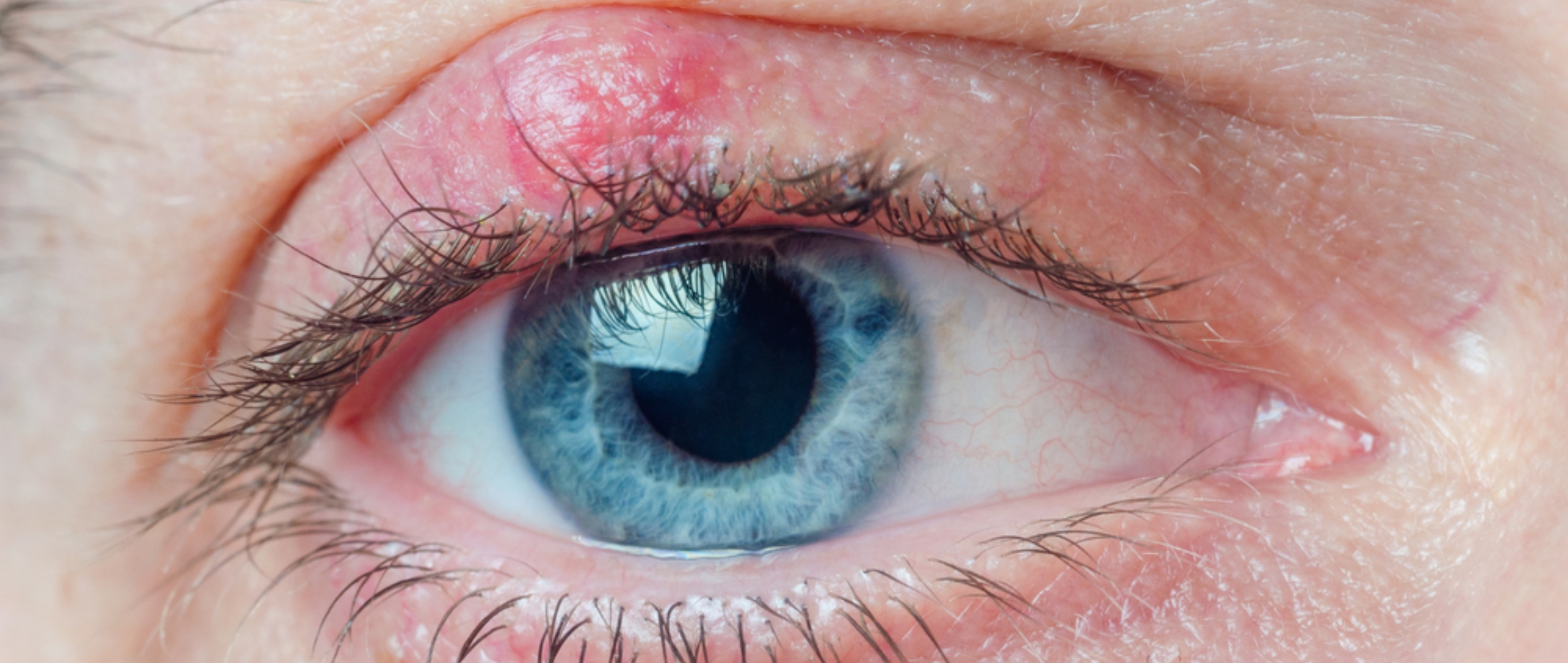
A chalazion is a small, painless lump or swelling that forms within the eyelid. It is typically caused by the blockage of one of the small oil glands located in the eyelid. These glands produce an oily substance that helps lubricate the eye by preventing the evaporation of tears.
Chalazia can be small and not very noticeable, or they can grow larger over time. While they are usually not painful, a larger chalazion can cause blurred or blocked vision if it presses against the eye. Whilst medical care is not always necessary, it’s important to seek an eye care professional if you are concerned about a chalazion.
When a meibomian gland becomes blocked, the oil that is normally released is trapped inside the gland, causing the gland to become swollen and form a chalazion. Chalazia are often confused with styes, but they are different conditions.
Sometimes a chalazion can occur due to poor eye care or hygiene and bad nutrition. However, it’s never certain why a person gets a chalazion, and the cause is often unknown. Some people are more prone to getting them than others, but typically, adults between 30 and 50 are more at risk of a chalazion.
Most of the time, a chalazion is painless, but in some cases, it can cause mild irritation. Here are some examples of symptoms you may experience, but it’s important to note that not everyone will get every symptom.
As you can see, the symptoms of a chalazion are similar to those of a stye, but they are different things. However, you don’t really need to be able to differentiate between the two, as at-home treatments are the same for both.
A stye is an infection of an eyelash follicle or a gland in the eyelid, while a chalazion is usually not caused by an infection. A chalazion and a stye are both conditions that affect the eyelids, but they have different causes and characteristics. Here are the key differences between a chalazion and a stye:
The cause of a chalazion is typically caused by the blockage of one of the oil glands in the eyelid. This blockage leads to the accumulation of oil in the gland, causing swelling and a lump. A chalazion is usually painless but can cause mild discomfort.
They are often more noticeable due to a large, swollen lump on the eyelid. A chalazion is generally not caused by a bacterial infection, and it is not considered contagious. A chalazion is commonly located on the upper or lower eyelid and is found underneath.
The cause of a style is typically due to a bacterial infection in the oil glands and hair follicles of the eyelid. Styes are often developed through poor eye care and eyelid hygiene. Styes are often quite painful and tender when touched, and they are often accompanied by redness and swelling.
Because styes are a result of an infection, they are considered contagious, and they may be more likely to develop in individuals with conditions that make them more susceptible to bacterial infections. Styes are commonly found along the eyelash line or on the inner surface of the eyelid.
Usually, it’s not required to visit a professional for a diagnosis of your chalazion, as the treatment for a lump or swelling around the eye is the same, no matter the diagnosis. If you are experiencing the above symptoms, then you likely have a chalazion, and that is enough information you need to start getting better by doing a few things at home.
However, in some cases, you should seek medical help if your chalazion is causing you more than mild discomfort, isn’t getting better and continues to grow. If you would like to confirm you have a chalazion or get it checked out, even without more severe symptoms, you should visit an eye care clinic like the Eye & Dental clinic.
Your eye care professional will:
You can expect your chalazion to be gone within a month with proper care and treatment, but don’t be alarmed if it takes a little longer for bigger lumps or more severe chalazions. Also, a hardened chalazion will go away either on its own or with specialised treatment.
Here are a few things you can do at home to help:
You’ll know your chalazion is healing when the swelling is reduced, and your discomfort is beginning to ease.
At the Eye & Dental Clinic, we are passionate and committed to providing our community in Bury and the surrounding areas with the highest quality of care. We provide eye and dental care to the highest of standards, and we truly care about our patients.
That ethos extends to our building, our team and our comprehensive range of treatments. It’s our mission to improve health and quality of life within our diverse community through best practices and the latest research in collaboration with other clinicians. Whether you need cosmetic dental treatment or emergency attention, we want you to feel comfortable when you visit our practice.
If you think you have a chalazion and would like to get it looked at, contact us and book an appointment at a time suited to you. We’re not only here for check-ups and treatment, but we also do emergency dental appointments with varying appointments and short wait times, so you can be seen as quickly as possible. Learn more about our cancellation policy and other practice policies.
To conclude, a chalazion is a lump or swelling that is formed on either the upper or lower lid, and it comes from behind the skin. It is caused either by infection or a swollen oil gland. Usually, a chalazion isn’t serious and doesn’t need medical attention; however, if you want to be sure of what it is or if you’re experiencing discomfort, it’s always best to get it checked out by an eye care professional.
A stye and a chalazion are two different things with similar symptoms. A stye is considered contagious because it is a bacterial infection, whereas a chalazion is caused by a blockage and isn’t considered contagious.
To protect your eye health in the future from a chalazion, practice good eye care by washing your eyes, not sharing towels or eye makeup and eating healthily.
Back to Blog

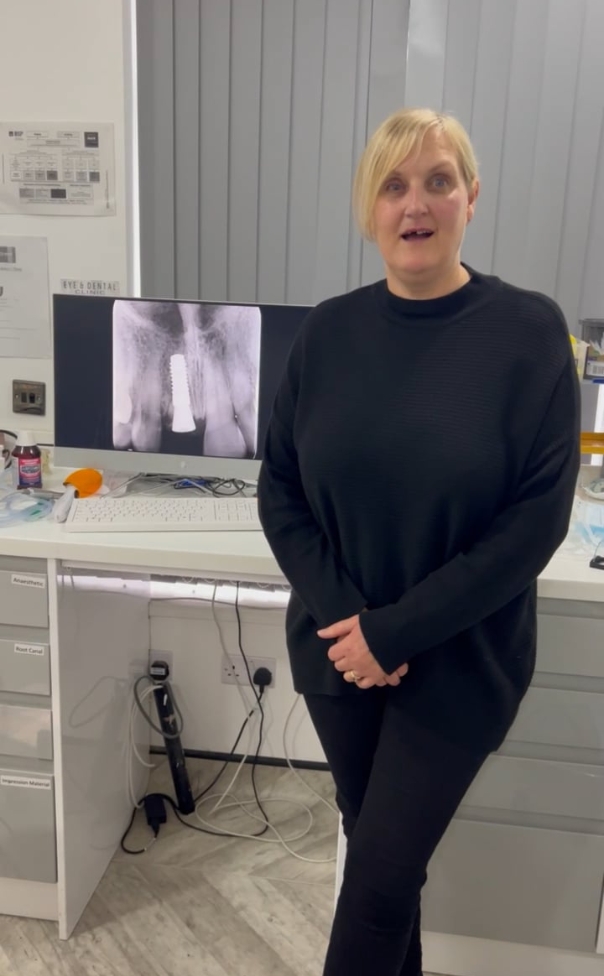
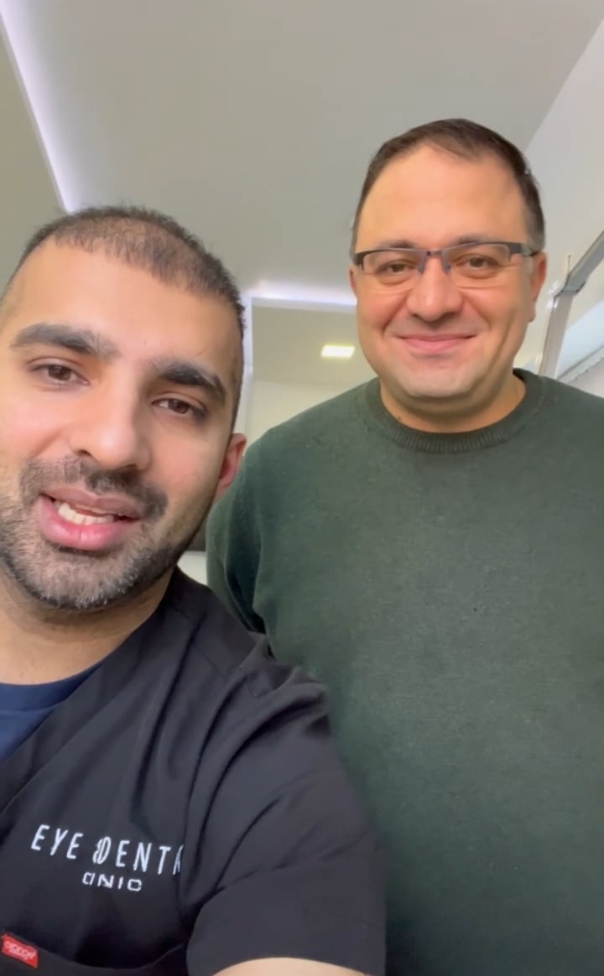
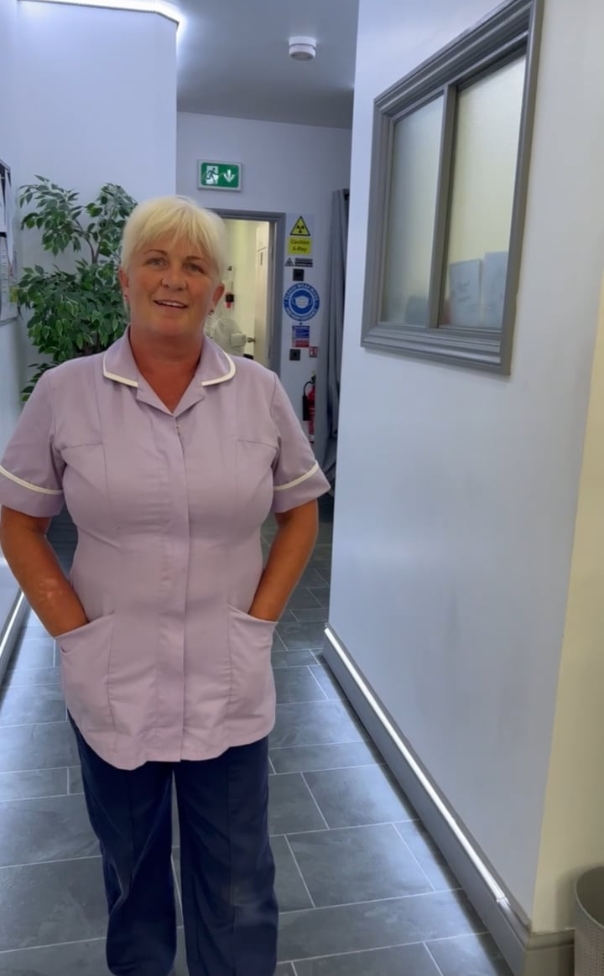
Discover how our advanced eye and dental treatments have helped patients see clearly, smile confidently, and live better with personalised care, comfort, and lasting results.
View More









Hemlata T
Had a deep clean today with Alla and Rachel, which was great, they were very gentle and even fixed a stubborn stain between my teeth, which they noticed during the...

Abs
Great service all around. Dr Uddin was knowledgeable, kind and put me at ease when having a chalazion removed. He helped me a lot with follow-up care for blepharitis, taking...
Amanda K
If I could give more than 5 stars for Mr J Uddin, I would. The reception staff were really polite and helpful. I had my chalazion removal surgery 2 months...
Nicole
Very satisfying. Dr J. Uddin removed a cyst on my upper lid. He explained everything to me before and during the procedure, and he has a very calming appearance. The...
Hemlata T
Had a deep clean today with Alla and Rachel, which was great, they were very gentle and even fixed a stubborn stain between my teeth, which they noticed during the...
Abs
Great service all around. Dr Uddin was knowledgeable, kind and put me at ease when having a chalazion removed. He helped me a lot with follow-up care for blepharitis, taking...
Amanda K
If I could give more than 5 stars for Mr J Uddin, I would. The reception staff were really polite and helpful. I had my chalazion removal surgery 2 months...
Nicole
Very satisfying. Dr J. Uddin removed a cyst on my upper lid. He explained everything to me before and during the procedure, and he has a very calming appearance. The...