Expert guide to the best UK online casinos with Microgaming slots in 2026, including top-ranked operators, bonus analysis, game RTPs, and regulatory advice. Compare top Microgaming casinos
Expert guide to the best UK online casinos with Microgaming slots in 2026, including top-ranked operators, bonus analysis, game RTPs, and regulatory advice. Compare top Microgaming casinos
Discover the top UK online casinos for NetEnt slots in 2026. Compare trusted operators, bonuses, RTPs, and fast payouts in our no-nonsense expert guide. read our guide to the best NetEnt casinos UK
A no-nonsense guide to the best UK online casinos offering NoLimit City slots in 2026. Compare top operators, bonuses, RTPs, and mobile experience. Play smarter, not harder. read the guide to the best online casinos with nolimit city slots uk 2026
An honest guide to the best UK online casinos offering Play'n GO slots in 2026. Compare licensed operators, bonus terms, payout speeds, and the full catalogue of games from Book of Dead to Agent of Hearts. see our list of top Play'n GO casinos
Find the top UK online casinos for Push Gaming slots in 2026. Compare bonuses, RTPs, and mobile features. Play popular titles like Jammin' Jars safely. explore the top Push Gaming casinos in the UK
A no-nonsense guide to the best UK online casinos offering Red Tiger slots in 2026. Compare real-money operators, bonuses, RTPs, and payout speeds before you spin. best Red Tiger casinos UK
Discover the top UK online casinos offering Thunderkick slots in 2026. Compare bonuses, games, and licensing in our expert guide. best Thunderkick casino sites UK
Find the best UK online casinos for Yggdrasil slots in 2026. Compare 10 licensed sites with welcome bonuses, fast payouts, and full game catalogues. Play Vikings Go Berzerk, Valley of the Gods, and more with zero fluff. read our complete Yggdrasil casino UK guide
Master the best online slots payout percentage in 2026 with our no-nonsense guide to RTP, volatility, and the casinos that actually offer high returns. Stop feeding the wrong machines. read the best online slots payout percentage guide for 2026
An honest, in‑depth guide to the best UK online casinos featuring Pariplay slots in 2026. Compare licensed sites, bonuses, payouts, and top games with expert analysis and practical tips. read the best Pariplay casinos UK guide for 2026



 10 Feb 2025
Do you have red, itchy, or watery eyes? This blog covers everything you need to know about conjunctivitis – what causes it, how it affects your eyes, ways to find relief and crucially – when to get help.
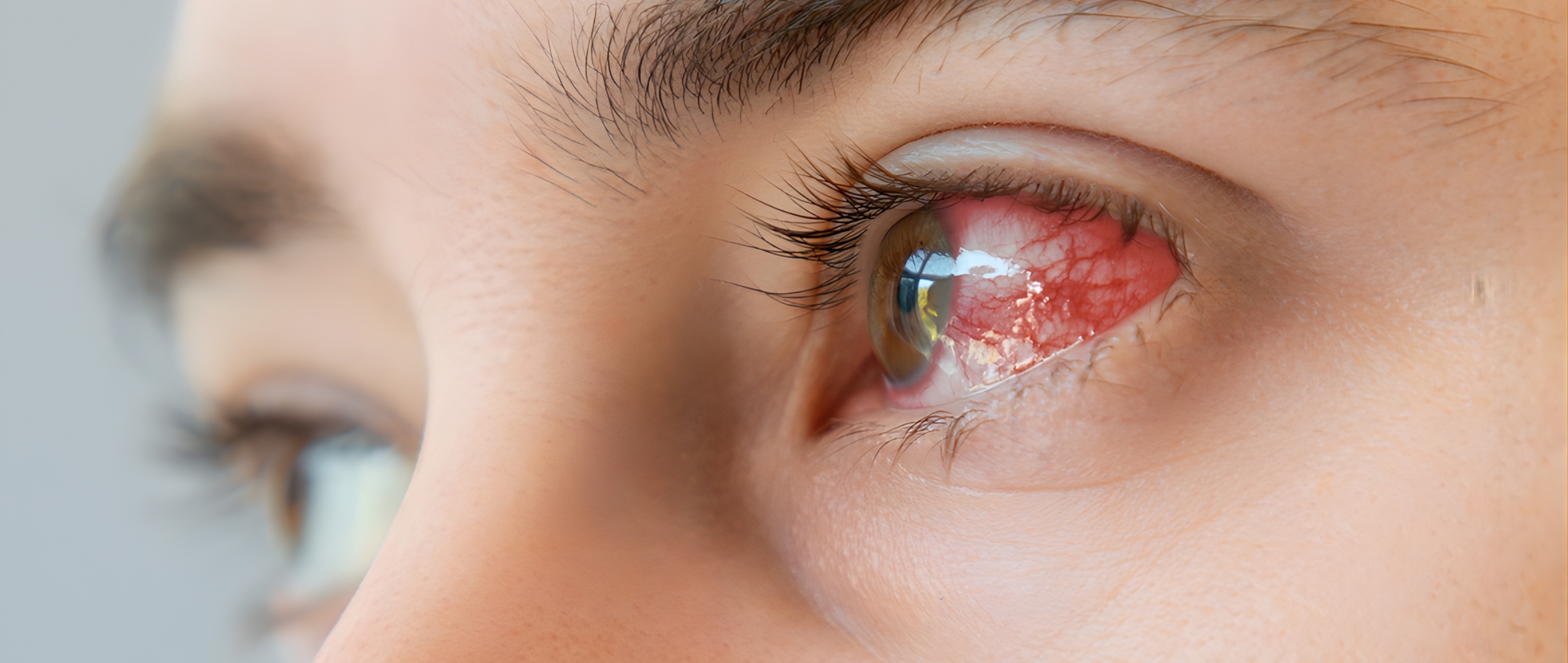
Conjunctivitis, commonly known as pink eye, is an inflammation of the conjunctiva, the clear tissue covering the white part of the eye. It can be caused by infections, allergies, or irritants. The conjunctiva is the thin, transparent membrane that lines the inside of the eyelids and covers the white part of the eyeball.
This condition causes the blood vessels in the conjunctiva to become more visible, giving the eye a pink or red appearance. Conjunctivitis can be caused by viruses, bacteria, allergens, or irritants like smoke, chlorine, or dust.
The effects of conjunctivitis on the eye vary depending on the cause. Viral conjunctivitis, the most common type, often leads to watery discharge, redness, and a gritty feeling, similar to having sand in the eye. It is highly contagious but usually resolves on its own within a week or two.
Bacterial conjunctivitis causes redness, swelling, and thick, yellow-green discharge that may cause the eyelids to stick together, especially after sleep. It often requires antibiotic eye drops for treatment. Allergic conjunctivitis, triggered by allergens like pollen or pet dander, results in intense itching, redness, tearing, and swelling but is not contagious.
While conjunctivitis typically doesn’t affect vision long-term, severe cases can cause discomfort and temporary blurred vision. Prompt treatment and good hygiene are essential to prevent the spread and manage symptoms effectively.
Conjunctivitis is commonly referred to as pink eye because of the characteristic pink or red appearance it causes in the white part of the eye. This discolouration results from inflammation of the conjunctiva, the thin membrane that covers the white of the eye and lines the inner eyelids. When the conjunctiva becomes irritated or infected – whether from viruses, bacteria, allergens, or irritants – the tiny blood vessels within it become inflamed and more visible, giving the eye a pink or reddish hue.
The term pink eye is often used to describe the viral form of conjunctivitis, which is highly contagious and widespread. However, the pink or red appearance can also occur with bacterial and allergic conjunctivitis. Despite the name, conjunctivitis can sometimes cause more severe redness, depending on the underlying cause.
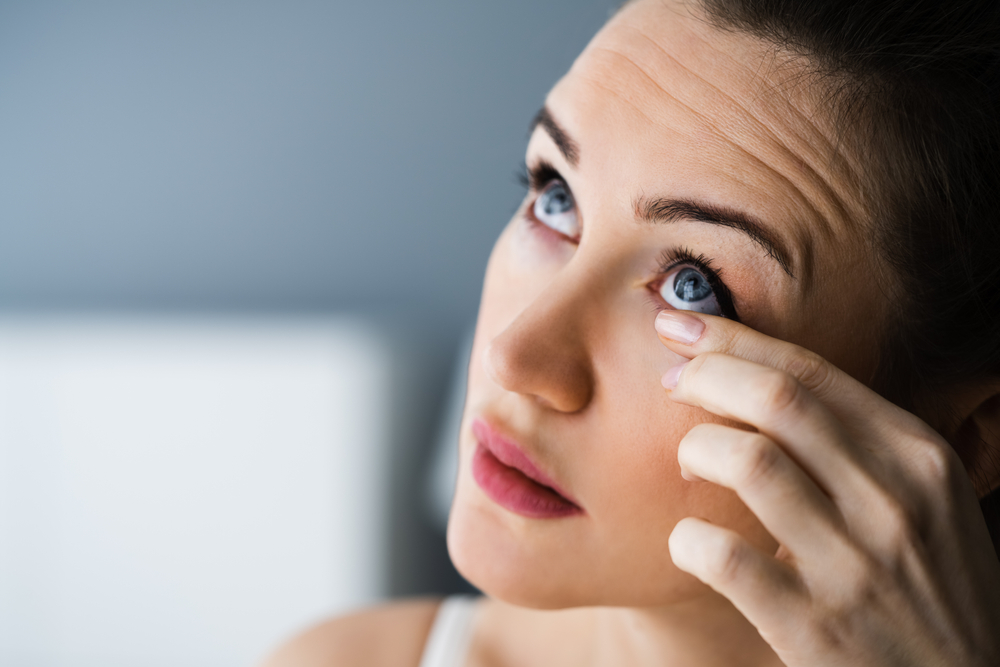
There are three primary types of conjunctivitis: viral, bacterial, and allergic, each with distinct causes.
Viral Conjunctivitis is the most common type and is typically caused by adenoviruses, the same viruses responsible for the common cold. It is highly contagious and can spread through direct contact with infected eye secretions, contaminated surfaces, or respiratory droplets. Viral conjunctivitis often occurs alongside upper respiratory infections, colds, or sore throats. In some cases, viruses like herpes simplex or varicella-zoster (chickenpox) can also trigger more severe forms of conjunctivitis.
Bacterial Conjunctivitis results from bacterial infections, often caused by Staphylococcus aureus, Streptococcus pneumoniae, or Haemophilus influenzae. It is also highly contagious and can spread through direct contact with infected individuals, sharing personal items like towels, or touching the eyes with unwashed hands. In some cases, bacterial conjunctivitis can be linked to sexually transmitted infections, such as Chlamydia trachomatis or Neisseria gonorrhoeae, which can lead to more serious eye complications.
Allergic Conjunctivitis is triggered by allergens such as pollen, dust mites, pet dander, mould, or exposure to irritants like smoke or chemical fumes. It is not contagious and typically affects both eyes.
This type is often seasonal, linked to pollen levels, or perennial, triggered by constant exposure to indoor allergens. Allergic conjunctivitis is commonly associated with other allergic conditions like hay fever, asthma, or eczema.
In addition to these main types, irritant conjunctivitis can occur due to exposure to chemical substances, chlorine in swimming pools, or foreign bodies in the eye, causing temporary inflammation without infection.
There are many different symptoms of conjunctivitis, including:
Conjunctivitis symptoms can vary depending on the cause, but redness or pinkness in the white of the eye is the most common sign. Viral conjunctivitis often presents with watery discharge, mild irritation, and a gritty sensation. It usually starts in one eye and can spread to the other.
Bacterial conjunctivitis causes thicker, yellow or green discharge – common with infections, so easy to spot – and often leads to crusting around the eyelids, especially upon waking.
Allergic conjunctivitis typically affects both eyes simultaneously, leading to intense itching, redness, and watery eyes, often accompanied by other allergy symptoms like sneezing.
Swelling of the eyelids and sensitivity to light may occur in all types, but severe pain, vision changes, or extreme light sensitivity may indicate a more serious condition requiring medical attention. While conjunctivitis is uncomfortable, most cases are mild and resolve with proper care and hygiene.

Treatment for conjunctivitis depends on its cause. Viral conjunctivitis usually resolves on its own within one to two weeks. To manage symptoms, use lubricating eye drops (artificial tears) and apply cold compresses to reduce redness and irritation. Since it’s highly contagious, practising good hygiene, like frequent handwashing and avoiding eye touching, is essential to prevent spreading.
Bacterial conjunctivitis often requires antibiotic eye drops or ointments prescribed by a doctor. Symptoms typically improve within a few days of starting treatment, but it’s important to complete the full course of antibiotics to ensure the infection clears completely. Warm compresses can help soften and remove crusting on the eyelids, but if only one eye is affected, you must be careful not to spread bacteria from one eye to the other.
Allergic conjunctivitis is best managed by avoiding allergens and using over-the-counter antihistamine or decongestant eye drops to reduce itching and redness. Oral antihistamines may also help if other allergy symptoms are present.
In all cases, avoid wearing contact lenses until the infection clears, discard any contaminated makeup or lenses, and thoroughly wash bed linen, towels and flannels.
Preventing conjunctivitis involves maintaining good hygiene and minimising exposure to potential irritants or infectious agents. Frequent handwashing with soap and water is one of the most effective ways to reduce the risk, especially after touching your face or eyes. Avoid rubbing your eyes, as this can introduce bacteria or viruses.
Do not share personal items like towels, pillowcases, or makeup, as these can carry infectious agents. If you wear contact lenses, follow proper lens hygiene by cleaning and storing them correctly, and avoid wearing them while experiencing eye irritation.
For allergic conjunctivitis, limit exposure to allergens like pollen, pet dander, and dust by keeping windows closed during high pollen seasons and using air purifiers indoors.
If someone in your household has conjunctivitis, disinfect commonly touched surfaces like doorknobs and light switches, and avoid close contact. Practising these habits consistently can significantly reduce the risk of developing or spreading conjunctivitis.
You should see an eye care professional if you experience serious symptoms, including:
If you have intense redness or swelling around the eyes that worsens rather than getting better over a few days of home treatment, you should also seek medical attention from an eye specialist. If conjunctivitis is accompanied by fever, facial pain, or doesn’t improve within one to two weeks, medical attention is necessary.
People with weakened immune systems, pre-existing eye conditions, or those exposed to chemical irritants should also consult a professional promptly to avoid complications.
The Eye and Dental Clinic has a team of ophthalmic experts ready to help with any of your eye problems! Explore patient pictures and testimonials to see real results, read about us for more information or simply book your appointment for expert care today!
Concerned about pink eye symptoms? Contact Eye and Dental Clinic today for expert diagnosis and treatment to protect your vision and comfort.
Back to Blog

Discover how our advanced eye and dental treatments have helped patients see clearly, smile confidently, and live better with personalised care, comfort, and lasting results.
View More













Hemlata T
Had a deep clean today with Alla and Rachel, which was great, they were very gentle and even fixed a stubborn stain between my teeth, which they noticed during the...

Abs
Great service all around. Dr Uddin was knowledgeable, kind and put me at ease when having a chalazion removed. He helped me a lot with follow-up care for blepharitis, taking...
Amanda K
If I could give more than 5 stars for Mr J Uddin, I would. The reception staff were really polite and helpful. I had my chalazion removal surgery 2 months...
Nicole
Very satisfying. Dr J. Uddin removed a cyst on my upper lid. He explained everything to me before and during the procedure, and he has a very calming appearance. The...
Hemlata T
Had a deep clean today with Alla and Rachel, which was great, they were very gentle and even fixed a stubborn stain between my teeth, which they noticed during the...
Abs
Great service all around. Dr Uddin was knowledgeable, kind and put me at ease when having a chalazion removed. He helped me a lot with follow-up care for blepharitis, taking...
Amanda K
If I could give more than 5 stars for Mr J Uddin, I would. The reception staff were really polite and helpful. I had my chalazion removal surgery 2 months...
Nicole
Very satisfying. Dr J. Uddin removed a cyst on my upper lid. He explained everything to me before and during the procedure, and he has a very calming appearance. The...