Expert guide to the best UK online casinos with Microgaming slots in 2026, including top-ranked operators, bonus analysis, game RTPs, and regulatory advice. Compare top Microgaming casinos
Expert guide to the best UK online casinos with Microgaming slots in 2026, including top-ranked operators, bonus analysis, game RTPs, and regulatory advice. Compare top Microgaming casinos
Discover the top UK online casinos for NetEnt slots in 2026. Compare trusted operators, bonuses, RTPs, and fast payouts in our no-nonsense expert guide. read our guide to the best NetEnt casinos UK
A no-nonsense guide to the best UK online casinos offering NoLimit City slots in 2026. Compare top operators, bonuses, RTPs, and mobile experience. Play smarter, not harder. read the guide to the best online casinos with nolimit city slots uk 2026
An honest guide to the best UK online casinos offering Play'n GO slots in 2026. Compare licensed operators, bonus terms, payout speeds, and the full catalogue of games from Book of Dead to Agent of Hearts. see our list of top Play'n GO casinos
Find the top UK online casinos for Push Gaming slots in 2026. Compare bonuses, RTPs, and mobile features. Play popular titles like Jammin' Jars safely. explore the top Push Gaming casinos in the UK
A no-nonsense guide to the best UK online casinos offering Red Tiger slots in 2026. Compare real-money operators, bonuses, RTPs, and payout speeds before you spin. best Red Tiger casinos UK
Discover the top UK online casinos offering Thunderkick slots in 2026. Compare bonuses, games, and licensing in our expert guide. best Thunderkick casino sites UK
Find the best UK online casinos for Yggdrasil slots in 2026. Compare 10 licensed sites with welcome bonuses, fast payouts, and full game catalogues. Play Vikings Go Berzerk, Valley of the Gods, and more with zero fluff. read our complete Yggdrasil casino UK guide
Master the best online slots payout percentage in 2026 with our no-nonsense guide to RTP, volatility, and the casinos that actually offer high returns. Stop feeding the wrong machines. read the best online slots payout percentage guide for 2026
An honest, in‑depth guide to the best UK online casinos featuring Pariplay slots in 2026. Compare licensed sites, bonuses, payouts, and top games with expert analysis and practical tips. read the best Pariplay casinos UK guide for 2026



 17 Feb 2025
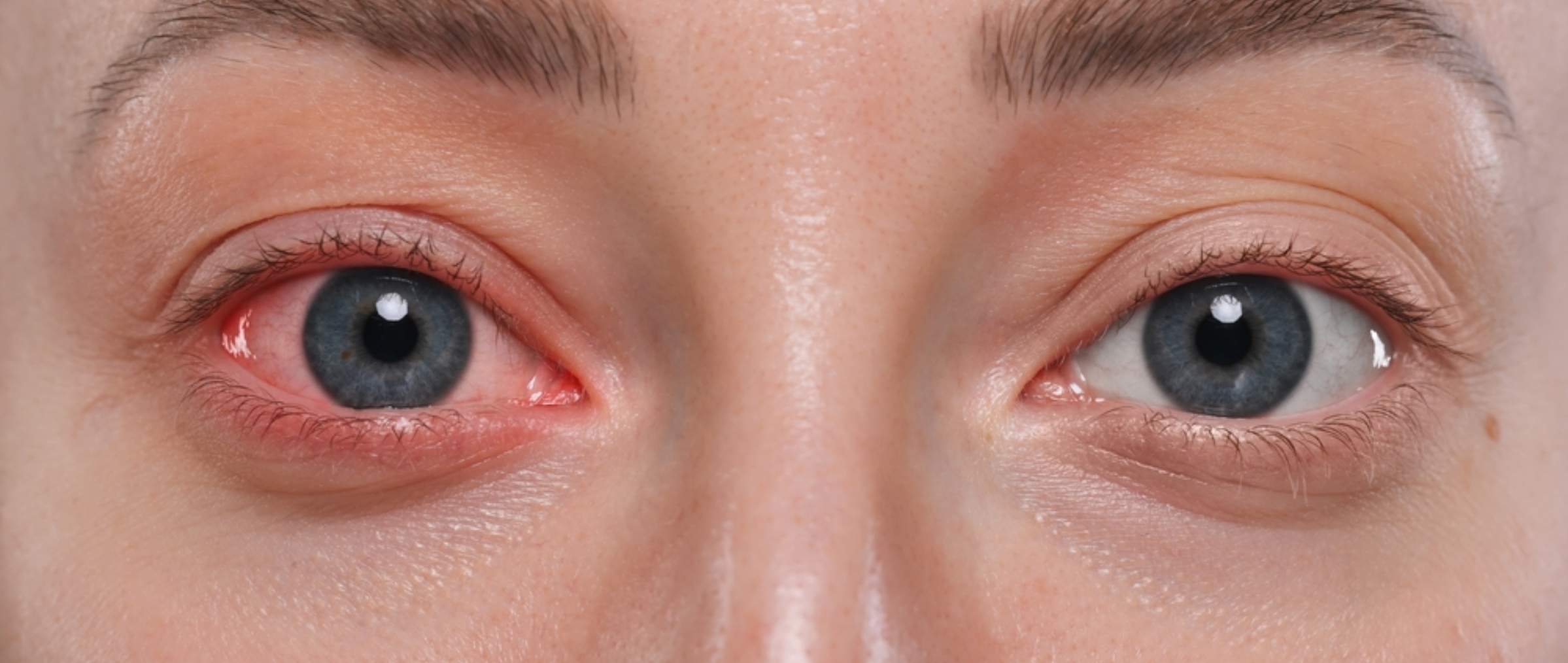
Conjunctivitis, or pink eye, can be uncomfortable and disruptive, but its duration depends on the cause. While some cases clear quickly, others linger, requiring specific treatments. Conjunctivitis typically lasts 3-7 days for viral cases, up to 10 days for bacterial infections with treatment, and persists as long as allergens are present in allergic conjunctivitis.
It’s important to understand the timeline to manage expectations as well as speed up your recovery.
Conjunctivitis, commonly known as pink eye, is an inflammation of the conjunctiva, the clear membrane that covers the white part of the eye and the inner surface of the eyelids. This condition causes the small blood vessels in the conjunctiva to become enlarged, leading to the characteristic redness or “pinkness” of the eye. Conjunctivitis can be caused by several factors, including infections, allergens, irritants, and underlying health conditions.
There are three main types of conjunctivitis: viral, bacterial, and allergic. Viral conjunctivitis is the most common type, often caused by adenoviruses, but it can also result from other viral infections, like the common cold. It typically affects both eyes and is highly contagious, spreading through direct contact with infected eye secretions or respiratory droplets.
Symptoms include:
Viral conjunctivitis usually clears up on its own within one to two weeks, although lubricating eye drops can alleviate discomfort.
Bacterial conjunctivitis is caused by bacterial infections, most commonly Staphylococcus or Streptococcus species. It typically produces a thicker, yellow or greenish discharge that can cause the eyelids to stick together, especially after sleep.
It is also contagious and spreads through contact with infected secretions. Bacterial conjunctivitis may require prescription antibiotic eye drops or ointments to speed up recovery and prevent complications.
Allergic conjunctivitis occurs when the eyes react to allergens such as:
It is not contagious but can cause redness, itching, and watery eyes. This type of conjunctivitis is often associated with other allergic symptoms like sneezing and a runny nose. Over-the-counter antihistamine eye drops or avoiding allergens can help manage symptoms.
In rare cases, irritants such as smoke, chemicals, or contact lens solutions can also cause conjunctivitis. Identifying the specific cause of conjunctivitis is essential to determine the appropriate treatment and prevent complications.
There are three main types of conjunctivitis: viral, bacterial, and allergic, each with different causes and durations.
Viral conjunctivitis is the most common and is caused by viruses such as adenoviruses. It usually lasts one to two weeks and resolves on its own without specific treatment. Symptoms may worsen for the first few days before gradually improving.
Bacterial conjunctivitis is caused by bacteria like Staphylococcus or Streptococcus and typically lasts five to ten days. It may clear up without treatment, but antibiotic eye drops can speed recovery and reduce contagiousness.
Allergic conjunctivitis results from allergens like pollen, pet dander, or dust. It persists as long as the allergen is present, but symptoms improve with antihistamine drops or by avoiding triggers.
Additionally, irritant conjunctivitis, caused by chemicals or smoke, usually clears within a few hours to a few days once the irritant is removed. Proper care helps reduce discomfort and duration.

Managing conjunctivitis symptoms effectively can help speed up recovery and prevent complications. The right approach depends on the type of conjunctivitis – viral, bacterial, allergic, or irritant-induced – but general measures can provide relief in all cases.
For viral conjunctivitis, which typically resolves on its own, applying cool compresses can soothe irritation, and lubricating eye drops (artificial tears) help reduce discomfort. Since it is highly contagious, washing hands frequently, avoiding eye rubbing, and not sharing personal items like towels or makeup can prevent spreading the infection.
For bacterial conjunctivitis, a doctor may prescribe antibiotic eye drops or ointments, which should be used as directed to clear the infection more quickly. Warm compresses can help loosen sticky discharge, making the eyes feel more comfortable.
Allergic conjunctivitis improves with antihistamine or mast cell stabiliser eye drops, available over the counter or by prescription. Avoiding allergens, keeping windows closed during high pollen seasons, and using air purifiers can also help. Cold compresses can soothe itching and swelling.
For irritant conjunctivitis, rinsing the eyes with clean water or saline immediately after exposure can reduce irritation. Symptoms usually subside once the irritant is removed.
Regardless of the type, avoiding contact lenses until symptoms resolve, maintaining good hygiene, and getting enough rest can promote faster healing. If symptoms persist beyond two weeks, worsen, or include severe pain or vision changes, seeking medical advice is essential to rule out more serious conditions.
Preventing the spread of conjunctivitis, particularly viral and bacterial types, requires good hygiene and careful precautions. Since these forms are highly contagious, following proper infection control measures can help stop transmission.
Frequent handwashing with soap and water is essential, especially after touching the eyes. Avoid rubbing or touching the infected eye, as this can transfer germs to surfaces or other people. Using a separate towel, washcloth, and pillowcase from others in the household helps prevent cross-contamination.
For those wearing contact lenses, it’s crucial to stop wearing them until the infection clears and to properly disinfect or replace lenses and cases. Avoid sharing eye makeup, eye drops, or personal care items like face towels, as these can harbour bacteria or viruses.
Disinfecting commonly touched surfaces such as doorknobs, light switches, and mobile phones helps prevent the spread, especially in shared spaces. Schools and workplaces should encourage those with contagious conjunctivitis to stay home until symptoms improve, usually after 24 to 48 hours of antibiotic treatment for bacterial conjunctivitis or once discharge and redness start subsiding in viral cases.
For allergic conjunctivitis, which is not contagious, avoiding allergens like pollen or pet dander can reduce flare-ups. Taking preventive measures ensures a faster recovery and protects others from infection.

Most cases of conjunctivitis resolve on their own, but some situations require medical attention. Severe symptoms, prolonged duration, or signs of complications indicate the need to see a doctor.
If eye pain, extreme redness, swelling, or light sensitivity occur, it could suggest a more serious condition like a corneal ulcer or uveitis rather than simple conjunctivitis. Blurred vision or vision loss is another red flag requiring urgent evaluation.
Bacterial conjunctivitis usually improves within five to ten days, but if symptoms persist beyond this or worsen despite using antibiotic drops, a doctor should reassess the infection. Similarly, viral conjunctivitis, which can last up to two weeks, may need medical review if it does not start improving or spreads aggressively.
People with weakened immune systems, pre-existing eye conditions, or recent eye surgery should seek medical advice sooner, as infections could lead to complications. If conjunctivitis occurs in a newborn, it must be evaluated immediately to rule out serious infections that require urgent treatment.
If allergic conjunctivitis is severe or persistent, an eye doctor can recommend stronger antihistamines or anti-inflammatory medications. In cases of chemical or irritant exposure, flushing the eyes immediately is essential, but if irritation persists, professional care is necessary.
For emergency symptoms like sudden vision loss, intense pain, or a large amount of yellow-green discharge, visiting A&E or an emergency eye clinic is recommended. Early diagnosis and treatment ensure better outcomes and prevent complications.
At The Eye and Dental Clinic, we are committed to delivering accurate eye care through advanced diagnostics and expert treatment. Our team of eye specialists provides thorough assessments, ensuring each patient experiences a seamless patient journey from initial consultation to full recovery.
We take great pride in our success stories, showcasing real patient pictures and testimonials that reflect the high standard of care we offer. Whether you require routine check-ups or specialised treatment, our clinic is here to support you. For expert guidance and personalised care, feel free to contact The Eye and Dental Clinic today to book your appointment.
Concerned about conjunctivitis? Book an appointment with Eye and Dental Clinic today for expert care and quick relief!
Back to Blog

Discover how our advanced eye and dental treatments have helped patients see clearly, smile confidently, and live better with personalised care, comfort, and lasting results.
View More











Hemlata T
Had a deep clean today with Alla and Rachel, which was great, they were very gentle and even fixed a stubborn stain between my teeth, which they noticed during the...

Abs
Great service all around. Dr Uddin was knowledgeable, kind and put me at ease when having a chalazion removed. He helped me a lot with follow-up care for blepharitis, taking...
Amanda K
If I could give more than 5 stars for Mr J Uddin, I would. The reception staff were really polite and helpful. I had my chalazion removal surgery 2 months...
Nicole
Very satisfying. Dr J. Uddin removed a cyst on my upper lid. He explained everything to me before and during the procedure, and he has a very calming appearance. The...
Hemlata T
Had a deep clean today with Alla and Rachel, which was great, they were very gentle and even fixed a stubborn stain between my teeth, which they noticed during the...
Abs
Great service all around. Dr Uddin was knowledgeable, kind and put me at ease when having a chalazion removed. He helped me a lot with follow-up care for blepharitis, taking...
Amanda K
If I could give more than 5 stars for Mr J Uddin, I would. The reception staff were really polite and helpful. I had my chalazion removal surgery 2 months...
Nicole
Very satisfying. Dr J. Uddin removed a cyst on my upper lid. He explained everything to me before and during the procedure, and he has a very calming appearance. The...