Expert guide to the best UK online casinos with Microgaming slots in 2026, including top-ranked operators, bonus analysis, game RTPs, and regulatory advice. Compare top Microgaming casinos
Expert guide to the best UK online casinos with Microgaming slots in 2026, including top-ranked operators, bonus analysis, game RTPs, and regulatory advice. Compare top Microgaming casinos
Discover the top UK online casinos for NetEnt slots in 2026. Compare trusted operators, bonuses, RTPs, and fast payouts in our no-nonsense expert guide. read our guide to the best NetEnt casinos UK
A no-nonsense guide to the best UK online casinos offering NoLimit City slots in 2026. Compare top operators, bonuses, RTPs, and mobile experience. Play smarter, not harder. read the guide to the best online casinos with nolimit city slots uk 2026
An honest guide to the best UK online casinos offering Play'n GO slots in 2026. Compare licensed operators, bonus terms, payout speeds, and the full catalogue of games from Book of Dead to Agent of Hearts. see our list of top Play'n GO casinos
Find the top UK online casinos for Push Gaming slots in 2026. Compare bonuses, RTPs, and mobile features. Play popular titles like Jammin' Jars safely. explore the top Push Gaming casinos in the UK
A no-nonsense guide to the best UK online casinos offering Red Tiger slots in 2026. Compare real-money operators, bonuses, RTPs, and payout speeds before you spin. best Red Tiger casinos UK
Discover the top UK online casinos offering Thunderkick slots in 2026. Compare bonuses, games, and licensing in our expert guide. best Thunderkick casino sites UK
Find the best UK online casinos for Yggdrasil slots in 2026. Compare 10 licensed sites with welcome bonuses, fast payouts, and full game catalogues. Play Vikings Go Berzerk, Valley of the Gods, and more with zero fluff. read our complete Yggdrasil casino UK guide
Master the best online slots payout percentage in 2026 with our no-nonsense guide to RTP, volatility, and the casinos that actually offer high returns. Stop feeding the wrong machines. read the best online slots payout percentage guide for 2026
An honest, in‑depth guide to the best UK online casinos featuring Pariplay slots in 2026. Compare licensed sites, bonuses, payouts, and top games with expert analysis and practical tips. read the best Pariplay casinos UK guide for 2026



 03 Mar 2025
While pink eye and sinus infections are separate conditions, bacterial conjunctivitis can sometimes spread to the sinuses, leading to infection if not treated properly.
Read on to learn more about the link between the two and how you can avoid the infections.
Pink eye, or conjunctivitis, is an inflammation of the thin, clear tissue covering the white part of the eye and the inside of the eyelid. It causes redness, itching, swelling, and discharge, which can make the eyes feel irritated or sticky. While usually not serious, pink eye is contagious in many cases and can spread easily through direct or indirect contact.
The most common causes of pink eye are viral and bacterial infections, allergic reactions, and irritants. Viral conjunctivitis is often linked to colds or respiratory infections and spreads quickly through hand-to-eye contact with contaminated surfaces. Bacterial conjunctivitis, caused by bacteria like Staphylococcus or Streptococcus, produces thicker discharge and can result from poor hygiene or contact with infected people.
Allergic conjunctivitis occurs when allergens like pollen, pet dander, or dust irritate the eyes, causing redness and watery discharge without being contagious. Irritant conjunctivitis results from exposure to chemicals, smoke, or foreign objects in the eye and typically resolves once the irritant is removed. Contact lenses, especially if worn improperly, can also increase the risk of developing pink eye.
Treatment depends on the cause, with viral conjunctivitis usually clearing on its own, while bacterial cases may require antibiotic eye drops. Allergic conjunctivitis responds to antihistamines or avoiding triggers, and irritant-related cases improve by flushing the eyes and removing the irritant. Proper hygiene, including hand washing and avoiding eye touching, is crucial to prevent spreading or contracting pink eye.
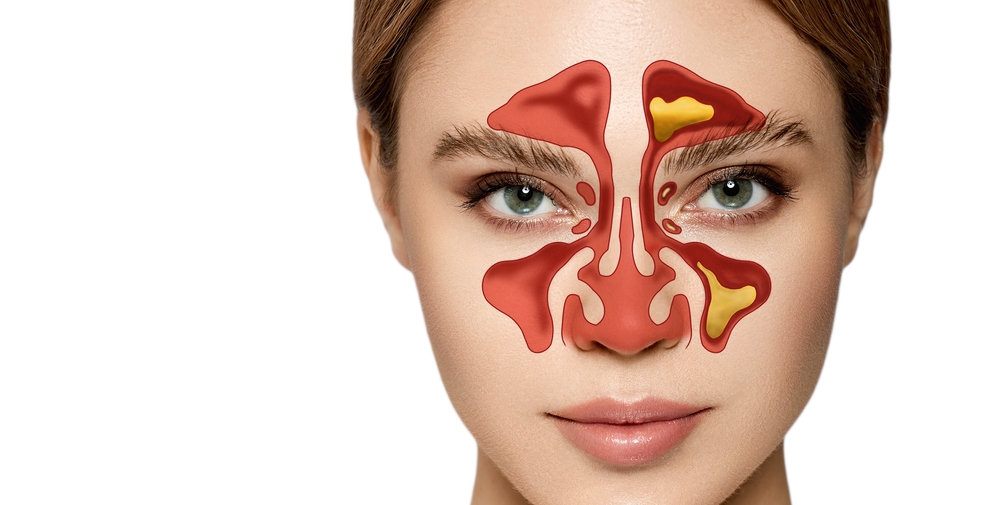
A sinus infection, or sinusitis, is the inflammation or swelling of the tissue lining the sinuses, causing blockages and fluid buildup. This condition leads to symptoms like facial pain, nasal congestion, headaches, and a thick nasal discharge. It can be acute, lasting a few weeks, or chronic, persisting for months or recurring frequently.
Sinus infections typically develop when the sinuses become blocked, trapping mucus and creating an environment for germs to grow. Viral infections, like the common cold, are the most common cause and can lead to swelling and mucus buildup. Bacterial sinusitis occurs when bacteria grow in trapped mucus, especially if symptoms last longer than 10 days or worsen after initial improvement.
Other factors that contribute to sinus infections include allergies, nasal polyps, or structural abnormalities in the nasal passages. Allergies can trigger inflammation and mucus production, increasing the risk of infection. Environmental irritants like smoke, pollution, and dry air can also irritate the nasal lining and lead to sinus blockages.
The best treatment depends on the cause of sinusitis, with viral sinus infections usually improving without antibiotics, while bacterial infections may require them. Managing symptoms includes using nasal saline sprays, decongestants, and pain relievers to reduce inflammation and relieve pressure. Preventing sinus infections involves maintaining good hygiene, managing allergies, and avoiding environmental triggers.
Pink eye (conjunctivitis) generally does not directly cause a sinus infection, but both conditions can occur together due to their proximity and common causes. The eyes, nose, and sinuses are connected through the tear ducts and nasal passages, allowing infections to spread between these areas relatively easily. If a viral or bacterial infection causes pink eye, it can travel to the sinuses and lead to sinusitis, especially if mucus drainage is blocked.
Viral conjunctivitis, often linked to upper respiratory infections, can trigger inflammation in the nasal passages and sinuses. This inflammation may lead to sinus congestion, creating an environment where bacteria can grow and cause a sinus infection. Similarly, bacterial conjunctivitis can spread bacteria to the sinuses if there is poor drainage or an existing nasal blockage.
Allergic conjunctivitis does not typically cause sinus infections because it is not infectious. However, ongoing allergy-related inflammation can increase mucus production and sinus congestion, raising the risk of a secondary sinus infection. Proper hygiene, such as washing hands and avoiding face-touching, can help prevent the spread of infections between the eyes and sinuses.
If symptoms of pink eye and sinus infection occur together or worsen, medical evaluation may be needed for appropriate treatment.
Recognising the symptoms of pink eye and sinus infections involves understanding the differences in how they affect the eyes and sinuses. Pink eye primarily causes eye-related discomfort, while sinus infections lead to facial pressure and nasal issues. Both conditions can share symptoms like swelling and discomfort, especially if caused by a viral infection.
Pink eye symptoms typically include redness, itching, tearing, and discharge from the eye. Viral and bacterial forms can cause sticky or watery discharge, while allergic pink eye leads to itchiness and watery eyes.
Sinus infection symptoms include facial pain, nasal congestion, and thick mucus. Chronic or severe cases may cause headaches and pressure around the eyes.
Common symptoms of pink eye:
Common symptoms of sinus infection:

To prevent the spread of infection between the eyes and sinuses, maintaining proper hygiene and reducing exposure to germs is essential. Since the eyes, nose, and sinuses are connected through tear ducts and nasal passages, infections can travel between these areas if precautions are not taken. Regular handwashing, especially after touching your face or blowing your nose, helps prevent the transfer of bacteria and viruses.
Avoid touching or rubbing your eyes and face to reduce the risk of spreading germs from one area to another. Use separate tissues or towels for your face and eyes, and dispose of used tissues immediately. If you have pink eye or a sinus infection, clean surfaces like doorknobs and shared items regularly to prevent contamination, which can spread your germs to others in your household.
When dealing with allergies, managing symptoms with antihistamines or nasal sprays can help reduce inflammation and mucus buildup, lowering the risk of secondary infections. If you wear contact lenses, follow strict hygiene guidelines, including regular lens cleaning and avoiding lens use during an active eye infection.
Promptly treating early symptoms of either pink eye or a sinus infection can prevent complications and further spread. If symptoms persist or worsen, consult a healthcare professional for proper diagnosis and treatment.
The best treatments for pink eye and sinus infections depend on the cause, with both home remedies and over-the-counter medications providing relief. Viral conjunctivitis usually resolves on its own, while bacterial conjunctivitis may require antibiotic eye drops. Sinus infections caused by viruses typically improve with symptom management, but bacterial cases might need antibiotics if symptoms persist.
Treatments for pink eye:
Treatments for sinus infections:
Home remedies like warm compresses for pink eye and steam inhalation for sinus infections can relieve discomfort. Over-the-counter medicines, including saline sprays and antihistamines, effectively manage symptoms for both conditions.
You should see a doctor if symptoms of pink eye or a sinus infection are severe, worsen, or do not improve after 10 days. Signs of a severe infection include intense facial pain, swelling around the eyes, vision changes, or a high fever.
For pink eye, seek medical care if you experience severe redness, blurred vision, or thick yellow or green discharge. Persistent sinus infection symptoms like facial pressure, difficulty breathing, or pain spreading to the ears may indicate a more serious issue. Prompt medical attention can prevent complications and ensure proper treatment.
At Eye and Dental Clinic, our specialists ensure comprehensive assessments and seamless patient experiences, visible in their testimonials and pictures. From routine check-ups to specialised care, trust us for personalised treatment – book your appointment today!
Experiencing pink eye or sinus issues? Contact Eye and Dental Clinic today for expert advice and professional care to ensure a healthy recovery.
Back to Blog

Discover how our advanced eye and dental treatments have helped patients see clearly, smile confidently, and live better with personalised care, comfort, and lasting results.
View More












Hemlata T
Had a deep clean today with Alla and Rachel, which was great, they were very gentle and even fixed a stubborn stain between my teeth, which they noticed during the...

Abs
Great service all around. Dr Uddin was knowledgeable, kind and put me at ease when having a chalazion removed. He helped me a lot with follow-up care for blepharitis, taking...
Amanda K
If I could give more than 5 stars for Mr J Uddin, I would. The reception staff were really polite and helpful. I had my chalazion removal surgery 2 months...
Nicole
Very satisfying. Dr J. Uddin removed a cyst on my upper lid. He explained everything to me before and during the procedure, and he has a very calming appearance. The...
Hemlata T
Had a deep clean today with Alla and Rachel, which was great, they were very gentle and even fixed a stubborn stain between my teeth, which they noticed during the...
Abs
Great service all around. Dr Uddin was knowledgeable, kind and put me at ease when having a chalazion removed. He helped me a lot with follow-up care for blepharitis, taking...
Amanda K
If I could give more than 5 stars for Mr J Uddin, I would. The reception staff were really polite and helpful. I had my chalazion removal surgery 2 months...
Nicole
Very satisfying. Dr J. Uddin removed a cyst on my upper lid. He explained everything to me before and during the procedure, and he has a very calming appearance. The...