Expert guide to the best UK online casinos with Microgaming slots in 2026, including top-ranked operators, bonus analysis, game RTPs, and regulatory advice. Compare top Microgaming casinos
Expert guide to the best UK online casinos with Microgaming slots in 2026, including top-ranked operators, bonus analysis, game RTPs, and regulatory advice. Compare top Microgaming casinos
Discover the top UK online casinos for NetEnt slots in 2026. Compare trusted operators, bonuses, RTPs, and fast payouts in our no-nonsense expert guide. read our guide to the best NetEnt casinos UK
A no-nonsense guide to the best UK online casinos offering NoLimit City slots in 2026. Compare top operators, bonuses, RTPs, and mobile experience. Play smarter, not harder. read the guide to the best online casinos with nolimit city slots uk 2026
An honest guide to the best UK online casinos offering Play'n GO slots in 2026. Compare licensed operators, bonus terms, payout speeds, and the full catalogue of games from Book of Dead to Agent of Hearts. see our list of top Play'n GO casinos
Find the top UK online casinos for Push Gaming slots in 2026. Compare bonuses, RTPs, and mobile features. Play popular titles like Jammin' Jars safely. explore the top Push Gaming casinos in the UK
A no-nonsense guide to the best UK online casinos offering Red Tiger slots in 2026. Compare real-money operators, bonuses, RTPs, and payout speeds before you spin. best Red Tiger casinos UK
Discover the top UK online casinos offering Thunderkick slots in 2026. Compare bonuses, games, and licensing in our expert guide. best Thunderkick casino sites UK
Find the best UK online casinos for Yggdrasil slots in 2026. Compare 10 licensed sites with welcome bonuses, fast payouts, and full game catalogues. Play Vikings Go Berzerk, Valley of the Gods, and more with zero fluff. read our complete Yggdrasil casino UK guide
Master the best online slots payout percentage in 2026 with our no-nonsense guide to RTP, volatility, and the casinos that actually offer high returns. Stop feeding the wrong machines. read the best online slots payout percentage guide for 2026
An honest, in‑depth guide to the best UK online casinos featuring Pariplay slots in 2026. Compare licensed sites, bonuses, payouts, and top games with expert analysis and practical tips. read the best Pariplay casinos UK guide for 2026



 14 Oct 2024
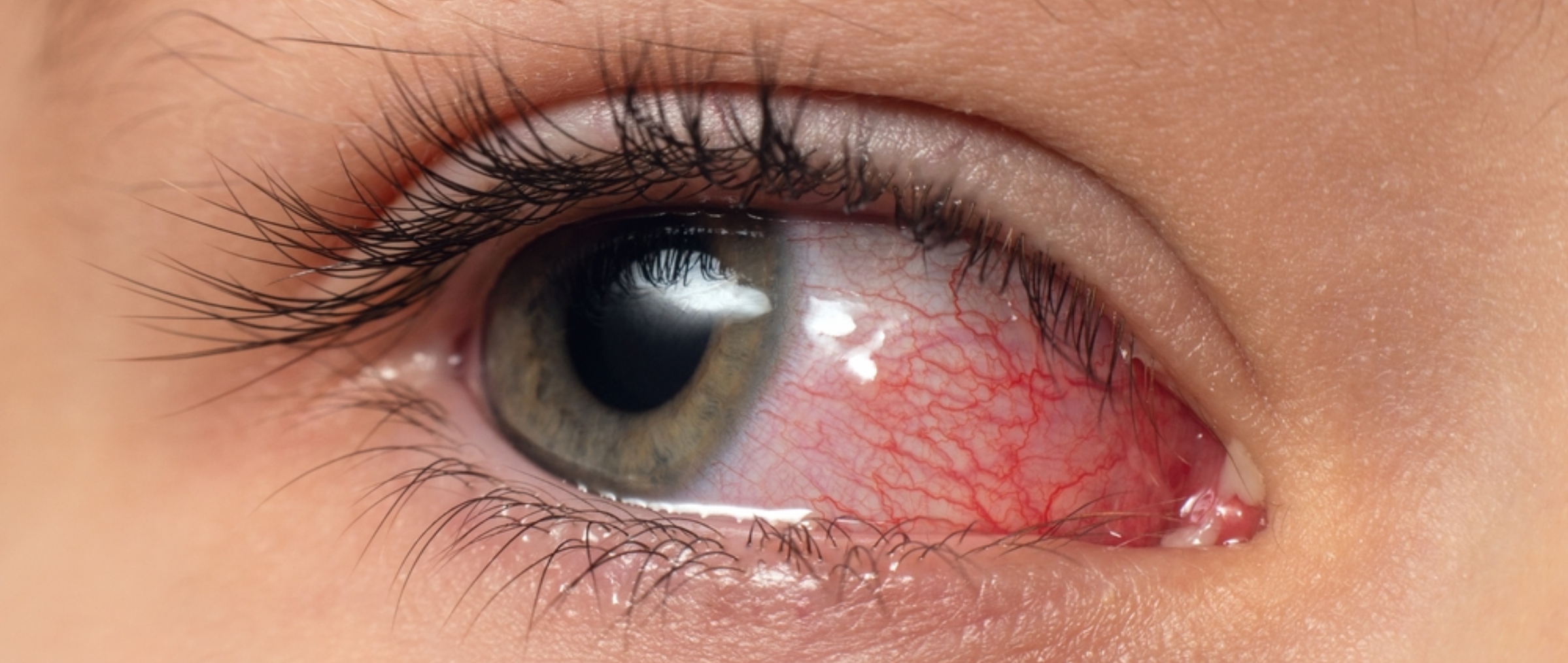
Dry eyes are a common yet often overlooked condition that can significantly impact daily life. While many people experience occasional dryness, persistent symptoms can lead to discomfort and even more severe complications.
Understanding the causes, symptoms, and effective treatments is essential for managing this condition. We will explore how dry eyes affect overall eye health, delve into potential underlying factors, and discuss when it’s necessary to seek professional help.

There are a variety of potential causes of dry eyes, including:
So if your symptoms of dry eyes are persistent, it’s advisable to see an eye specialist as soon as possible. Before you go, you can make a note of when your eyes feel worse, such as when you’re outside or when you wake up, to make it easier to find the cause and the solution to your dry eyes.
But what health conditions and lifestyle factors cause dry eyes?
Dry eyes can result from various health conditions that affect tear production or quality. One significant cause is Sjögren’s syndrome, an autoimmune disorder where the body attacks moisture-producing glands, leading to insufficient tear and saliva production. Other autoimmune conditions, such as rheumatoid arthritis and lupus, can also contribute to dry eyes by causing inflammation in the tear glands.
Meibomian gland dysfunction (MGD) is another prevalent cause, where the oil glands in the eyelids become blocked, leading to poor tear film stability and increased evaporation. Sometimes, a chalazion blocking the tear gland can be the main cause. Conditions like blepharitis, an inflammation of the eyelids, can lead to dryness and irritation as well.
Hormonal changes due to menopause or pregnancy can exacerbate dry eyes by reducing tear production. Additionally, certain medications, including antihistamines, antidepressants, and diuretics, may cause dry eyes as a side effect, so speak to your doctor about the possibility of changing medications if your symptoms persist.
It’s essential to note that symptoms like redness, itching, or burning may also be indicative of allergic conjunctivitis or corneal abrasions, which can be mistaken for dry eyes but require different treatments.
Lifestyle factors play a significant role in the development and exacerbation of dry eyes. One major contributor is prolonged screen time, which has become increasingly common due to the rise of remote work and digital entertainment. Staring at screens often leads to reduced blinking, causing tears to evaporate more quickly and resulting in dry, irritated eyes.
Environmental conditions also impact eye moisture levels. Exposure to dry, windy, or smoky environments can accelerate tear evaporation, while air conditioning and heating systems at home and at work can reduce humidity, leading to further dryness.
Additionally, diet influences eye health. A lack of essential fatty acids, particularly omega-3 fatty acids found in fish and flaxseed, can negatively affect tear production. Poor hydration can also contribute to dry eyes, making it crucial to drink enough water throughout the day.
Contact lens use can aggravate dry eye symptoms, especially if the lenses are worn for extended periods or not properly maintained. Finally, smoking or exposure to secondhand smoke can irritate the eyes and decrease tear production.
Adopting healthy lifestyle changes, such as taking regular breaks from screens, maintaining proper hydration, and ensuring a balanced diet, can help mitigate dry eye symptoms effectively.
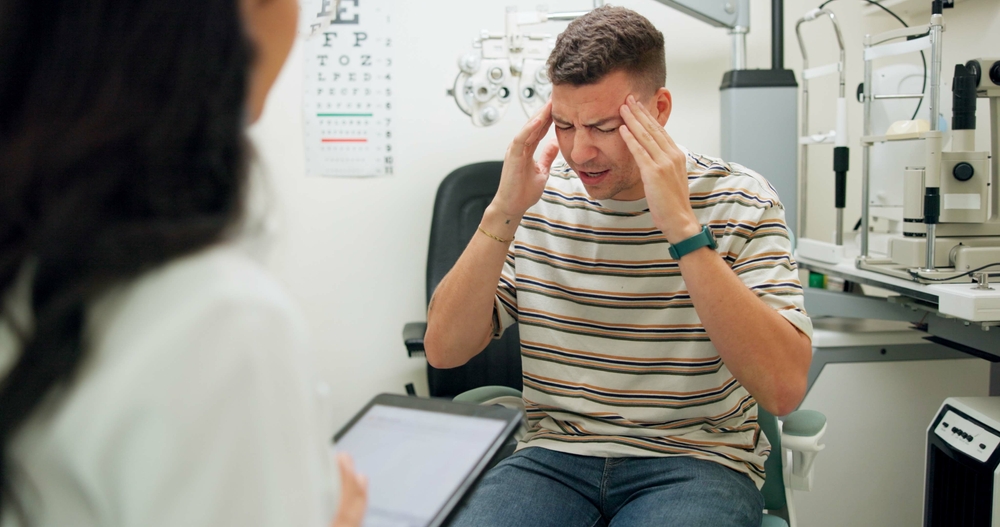
Dry eyes can range from mildly irritating to a more serious problem, depending on the severity and underlying causes. For many, dry eyes are simply uncomfortable, causing a gritty, burning, or stinging sensation. However, if left untreated, dry eyes can lead to more significant complications, such as damage to the corneal surface, increased risk of eye infections, and vision problems.
This makes it important to take persistent symptoms seriously and consult a doctor or ophthalmic specialist.
Symptoms of dry eyes include:
While some people may report headaches alongside dry eyes, this is not usually the cause but another symptom of a more serious problem, which is also causing dry eyes.
Dry eyes can also be a side effect of LASIK surgery or other eye surgeries, which affect the nerves that stimulate tear production, so if you have dry eyes following an operation or treatment, go back to your eye specialist for further advice.
If dry eye symptoms are persistent and do not improve with over-the-counter treatments, you should see a specialist. Chronic dry eyes may indicate a more serious condition which requires treatment from an ophthalmologist.

Treating dry eyes involves addressing the underlying cause and seeking the best solution. While dry eyes cannot be cured, there are several options for effective relief.
For mild to moderate cases, artificial tears or lubricating eye drops are often the first line of treatment. These can help replace natural moisture and soothe irritation, with preservative-free versions being ideal for frequent use. Some eye drops also focus on stabilising the tear film to prevent rapid evaporation.
For more severe or chronic dry eyes, prescription medications may be necessary. Restasis (cyclosporine) and Xiidra (lifitegrast) are commonly prescribed to reduce inflammation in the tear glands and stimulate natural tear production. Short-term use of steroid eye drops may also be used to manage inflammation, though these are not suitable for long-term use due to potential side effects.
If poor tear retention is an issue, punctal plugs may be recommended, although this is usually only recommended once all other options have been exhausted. These small devices are inserted into the tear ducts to block drainage, allowing tears to stay on the eye surface longer.
For conditions like meibomian gland dysfunction (MGD), where the oil glands in the eyelids are blocked, warm compresses and eyelid scrubs can improve tear quality by helping to unblock the glands.
When you first experience dry eyes, however, you should try lifestyle changes to improve your symptoms, such as:
Depending on the reason for your dry eyes, trialling each of these lifestyle changes should see an improvement in your symptoms. However, if they are not effective within a couple of weeks or your symptoms are getting worse, you should see a specialist as soon as possible.
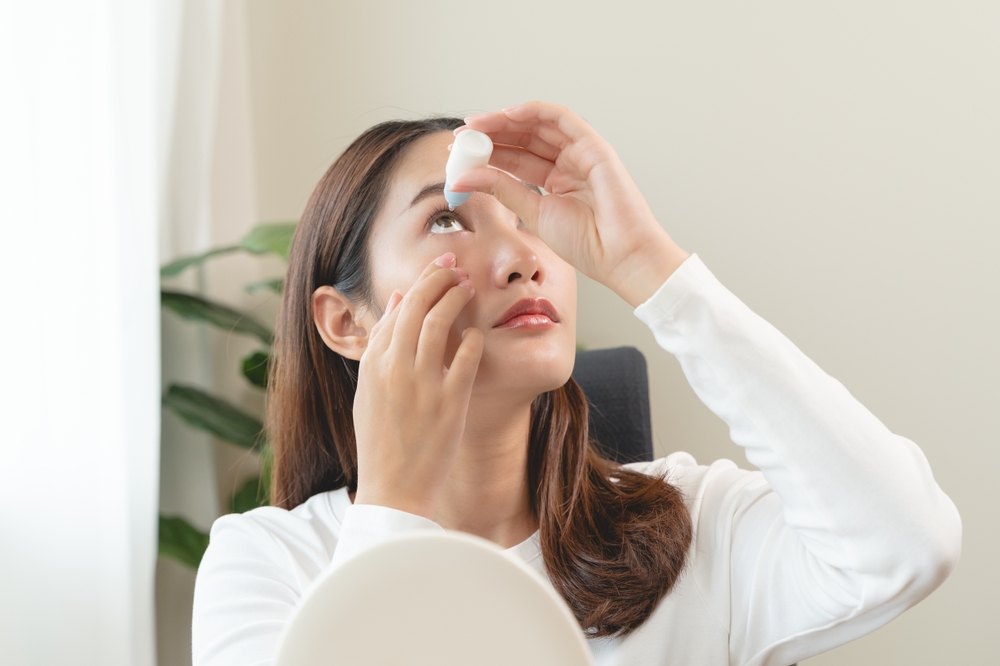
Choosing the best eye drops for dry eyes involves considering several factors to ensure effective relief. First, assess the severity and frequency of your symptoms.
For mild dryness, over-the-counter artificial tears can provide immediate relief. Look for preservative-free formulations, especially if you plan to use them frequently, as preservatives can irritate the eyes over time.
Next, consider the type of eye drops available. Some drops focus on lubricating the eyes, while others contain ingredients designed to stabilise the tear film, such as hydroxypropyl methylcellulose or carboxymethylcellulose. Drops with lipid-based formulations can be particularly helpful for those experiencing quick tear evaporation.
If your dry eyes are chronic or associated with inflammation, consult an eye care specialist. They may recommend prescription eye drops, which target inflammation and stimulate natural tear production and are not available over the counter.
It’s also essential to be aware of any underlying conditions that could affect your choice. Always read labels carefully and, if uncertain, seek guidance from a healthcare professional to determine the most suitable option for your specific needs.
The specialists at the Eye and Dental Clinic can help you relieve your dry eyes. Book an appointment today, or take a look at our emergency treatments if you need urgent help.
Read more information about dry eyes on our blog page, or contact us for more information.
Back to Blog

Discover how our advanced eye and dental treatments have helped patients see clearly, smile confidently, and live better with personalised care, comfort, and lasting results.
View More











Hemlata T
Had a deep clean today with Alla and Rachel, which was great, they were very gentle and even fixed a stubborn stain between my teeth, which they noticed during the...

Abs
Great service all around. Dr Uddin was knowledgeable, kind and put me at ease when having a chalazion removed. He helped me a lot with follow-up care for blepharitis, taking...
Amanda K
If I could give more than 5 stars for Mr J Uddin, I would. The reception staff were really polite and helpful. I had my chalazion removal surgery 2 months...
Nicole
Very satisfying. Dr J. Uddin removed a cyst on my upper lid. He explained everything to me before and during the procedure, and he has a very calming appearance. The...
Hemlata T
Had a deep clean today with Alla and Rachel, which was great, they were very gentle and even fixed a stubborn stain between my teeth, which they noticed during the...
Abs
Great service all around. Dr Uddin was knowledgeable, kind and put me at ease when having a chalazion removed. He helped me a lot with follow-up care for blepharitis, taking...
Amanda K
If I could give more than 5 stars for Mr J Uddin, I would. The reception staff were really polite and helpful. I had my chalazion removal surgery 2 months...
Nicole
Very satisfying. Dr J. Uddin removed a cyst on my upper lid. He explained everything to me before and during the procedure, and he has a very calming appearance. The...